

Introduction to Amethyst Gemstones
Amethyst, a variety of quartz distinguished by its mesmerizing purple hue, is a gemstone that has captivated humanity for centuries. Its chemical composition is primarily silicon dioxide (SiO2), and it owes its enchanting color spectrum, which ranges from delicate lavender to profound violet, to the presence of iron and other trace elements within its crystalline structure. This stunning gemstone is not only visually appealing but also highly revered among gem enthusiasts.
Known for its captivating beauty, amethyst has secured a prominent place in the world of gemstones. It is extensively utilized in various types of jewelry, from elegant rings and striking necklaces to sophisticated earrings and graceful bracelets. The allure of amethyst lies not just in its striking appearance but also in its versatility, allowing designers to craft both contemporary and traditional pieces that appeal to a wide array of tastes and preferences.
The widespread popularity of amethyst gemstones can be attributed to their rich cultural significance and the belief that they possess protective and healing properties. Amethyst is often associated with qualities such as inner peace, spiritual growth, and clarity of mind. This convergence of aesthetic appeal and symbolic meaning makes amethyst a cherished gemstone in personal adornments and cherished keepsakes.
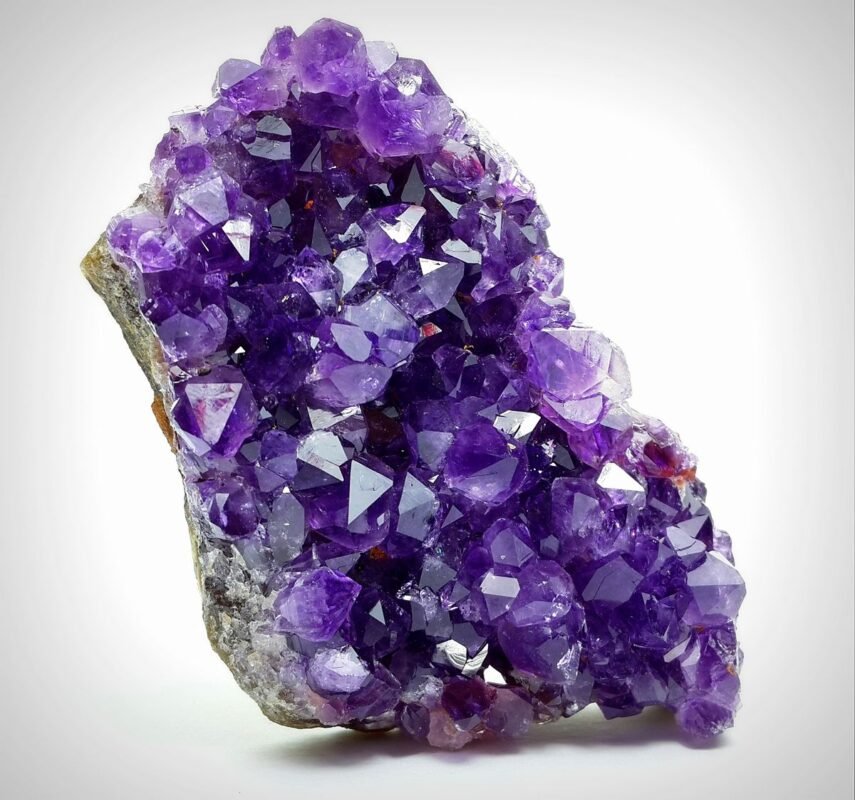
In the following sections, we will delve deeper into the fascinating history of amethyst, explore its distinctive features, and provide a comprehensive analysis of amethyst gemstone prices. Whether you are a seasoned gem collector, a jewelry aficionado, or someone with a burgeoning interest in gemstones, this guide aims to offer an enlightening look at the world of amethyst. With its blend of historical richness, unique properties, and market insights, we endeavor to present a holistic view of this enchanting gemstone.
Amethyst gemstones boast a rich history that dates back thousands of years, underlying their enduring allure and significance. Originating from the ancient mines of Greece, amethyst was highly valued for its striking purple hue. The name itself stems from the Greek word “amethystos,” which means “not intoxicated,” signifying its believed power to prevent drunkenness, a belief that was prevalent among ancient Greeks. They often crafted drinking vessels from amethyst in the hope that it would ward off the effects of alcohol.
Extensive use of the amethyst gemstone spread through various cultures. For the ancient Egyptians, amethyst was a popular material for carved talismans and amulets. Evidence from archaeological findings reveals that these precious gems were often placed in burial tombs, indicating their importance in Egyptian society and belief systems. Similarly, during the Roman Empire, amethysts were integrated into high status and royal jewelry, symbolizing wealth and influence.
In the Middle Ages, European soldiers wore amethyst amulets for protection in battle, believing that the gemstone could heal and calm the mind. Its resonance with spiritual purity and piety also made it a favored stone among the clergy, often adorning ecclesiastical rings and church ornaments.
The intrinsic value and allure of amethyst remained consistent across centuries, transitioning from ancient societies to the modern era. Artifacts and historical jewelry from different periods highlight the continuous appreciation and utilization of this majestic gemstone. Museums around the world showcase amethyst-adorned relics, encapsulating the gemstone’s historical journey and cultural significance.
Today, the valuation of amethyst gemstones remains favorable, influenced by factors such as quality, color, and origin. While the amethyst gemstone prices have fluctuated over time, the stone’s historical depth and cultural ties continue to cement its esteemed status in both the jewelry market and historical annals.
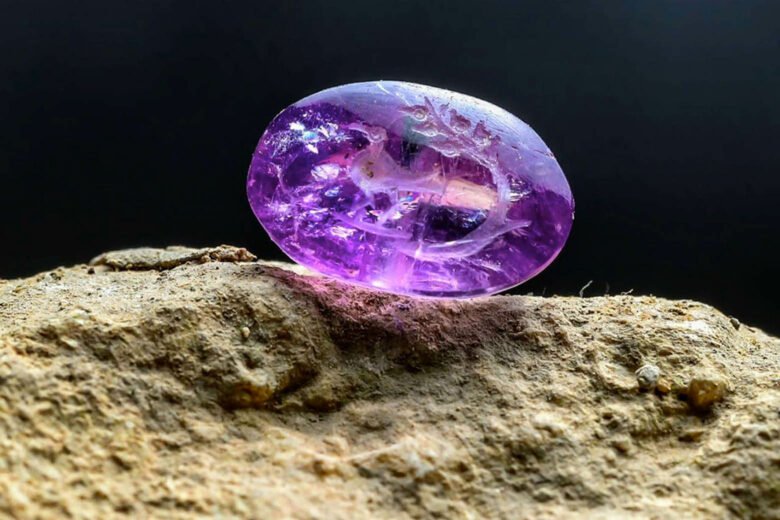
Ancient Significance
Amethyst has long been cherished by various ancient civilizations for its purported protective and healing properties. Among the Greeks, amethyst was highly esteemed, and they believed it could prevent intoxication. This belief is encapsulated in the term “amethustos,” meaning “not drunk,” underscoring the gemstone’s mystical reputation. The story of Dionysus, the Greek god of wine, and the maiden Amethystos, further exemplifies this notion. In the myth, a maiden named Amethystos prayed to the goddess Artemis to remain pure, and Artemis transformed her into a white, crystalline stone. Dionysus, in a fit of remorse for his actions, poured wine over the stone, giving it its characteristic purple hue and imbuing it with the power to ward off the effects of alcohol.
Similarly, amethyst was revered in ancient Egypt, where it was commonly used as an ornament and a talisman. Egyptians treasured the amethyst as a guard against guilty and fearful feelings. It was often incorporated into amulets, jewelry, and even burial sites, suggesting its role as a protector in both life and death. Amethyst’s deep purple color was associated with royalty and nobility, further enhancing its allure among ancient Egyptian elites.
Myths and legends surrounding amethyst extend beyond these cultures, weaving a rich tapestry of historical significance. In medieval Europe, amethysts were believed to encourage celibacy and symbolize piety, thus frequently adorning the rings and regalia of clergy members. The gemstone’s purported ability to instill a sense of calm and clarity also made it popular among those seeking to attain spiritual enlightenment and emotional balance. The prominence of amethyst in various religious and spiritual contexts underscores its enduring legacy as a gemstone of substantial historical importance.
The ancient significance of amethyst gemstones continues to influence their appeal and desirability in the modern world. While prices have evolved with time and market conditions, the deep cultural and historical roots contribute to their timeless charm. For those exploring the intricacies of amethyst gemstone prices, understanding its storied past offers invaluable insights into its enduring value.
Amethyst in Royalty and Religion
Amethyst has long been regarded as a gemstone of immense value and significance, gracing the adornments of royalty and enriching religious artifacts. One of the most illustrious examples of its use within royal circles can be found in the British crown jewels. This vivid purple stone has been featured in several pieces within the royal collection, serving as a symbol of nobility and luxury. Its presence in crowns, scepters, and regal jewelry has not only exemplified its aesthetic appeal but also demonstrated the timeless allure of its deep and captivating hue.
Royal families worldwide have cherished amethyst for centuries, incorporating it into their finest regalia. Beyond the British monarchy, European aristocracy often favored amethyst for significant pieces, including tiaras and brooches, further cementing its status as a gemstone fit for kings and queens. The rich history of amethyst gemstone prices reflects its esteemed position among members of the royal bloodlines.
In the realm of religion, amethyst has been highly revered for its spiritual attributes. The Catholic Church has prominently utilized the gem in episcopal rings, marking it as a symbol of celibacy and piety, thus signifying a bishop’s commitment to spiritual matters. Even within the Holy Scriptures, amethyst is mentioned; in the Bible, it is one of the twelve stones in the High Priest’s breastplate, symbolizing divine presence and protection.
The spiritual significance of amethyst extends beyond Christianity. In various cultures, it has been considered a stone of sobriety and spiritual clarity, often associated with healing and protection. The dual relevance of amethyst in both royal and religious contexts highlights its versatile nature and its continuous appeal throughout history.
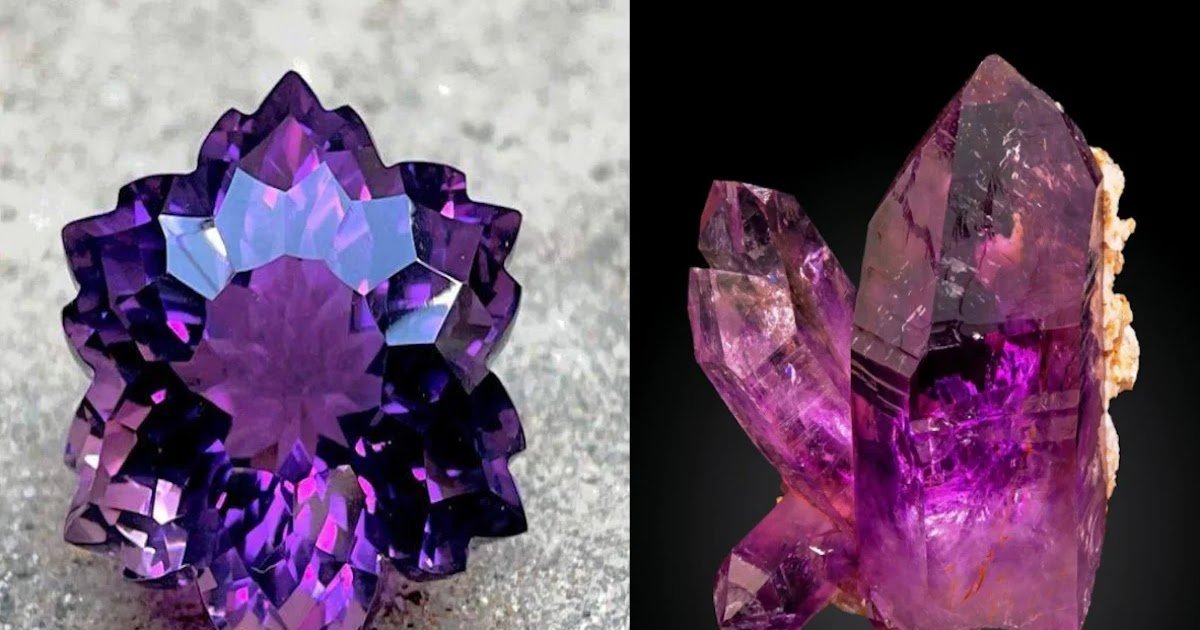
Features and Properties of Amethyst
Amethyst is a unique crystalline quartz that owes its captivating violet hue to the presence of iron and other trace elements within its structure. Amethyst gemstones display a range of colors, from light lavender to deep purple, influenced by the concentration of these elements. These color variations are a significant factor in determining amethyst gemstone prices, with the most intensely colored specimens often commanding premium rates.
The crystal structure of amethyst is hexagonal, typical of all quartz varieties, providing a symmetry that contributes to its appeal when cut and polished. This structural attribute not only enhances the visual allure of amethyst but also its utility in jewelry, as it can be fashioned into a multitude of shapes and sizes with precision.
In terms of hardness, amethyst scores a 7 on the Mohs scale, signifying moderate durability. This makes it suitable for a range of jewelry applications, from rings and necklaces to earrings, ensuring it withstands the wear and tear of daily use. The combination of its aesthetic appeal and resilience boosts its market demand, indirectly influencing amethyst gemstone prices.
Geographically, amethyst can be found all over the world but notable deposits exist in Brazil, Uruguay, and Zambia. Each of these regions contributes distinct characteristics to the stones they produce; for instance, Brazilian amethyst often exhibits a reddish hue, while Zambian amethyst is particularly valued for its deep, rich purple coloration. The origin of an amethyst thus becomes another contributing factor to its overall market value.
Beyond its physical attributes, amethyst is touted for its metaphysical properties, believed to promote calmness, balance, and peace. Such beliefs add a layer of intrigue and desirability, which can again influence amethyst gemstone prices, particularly among buyers interested in the stone’s purported spiritual benefits.
Physical Properties of Amethyst
Amethyst, a variety of quartz, boasts a striking purple coloration due to its iron and aluminum impurity content. The mineral composition of amethyst primarily includes silicon dioxide (SiO₂), transforming it into a durable option for various applications. On the Mohs scale of hardness, amethyst ranks at a solid 7, indicating its resistance to scratches and wear. This makes it particularly suitable for everyday jewelry, where the gemstone’s durability enhances its desirability.
The crystal system of amethyst is trigonal, forming six-sided prisms often terminating in pyramids. This geometric precision not only adds to amethyst’s aesthetic appeal but also influences its cutting and polishing in jewelry crafting. The term ‘gem-quality’ refers to amethyst stones that showcase deep, consistent color and minimal inclusions, distinguishing them from lower-grade specimens.
Heat treatment and irradiation are common practices to enrich the color and clarity of amethyst gemstones. Exposure to heat can either enhance the purple hue or transform it into shades of yellow, green, or colorless, broadening its application range. Similarly, irradiation can deepen the color of amethyst, giving it a more uniform and vibrant appearance. These enhancements are particularly significant in the market value and overall appeal of amethyst gemstone prices. Jewelers and gemstone enthusiasts often prefer treated amethysts for their intensified colors and refined clarity.
The physical properties of amethyst, including its mineral composition, hardness, and crystal structure, play pivotal roles in its application within the jewelry industry. The gem’s resilience to everyday wear, coupled with potential treatments to enhance its visual appeal, underscores its enduring popularity. As a result, understanding these properties and their impact on the stone’s utility aids significantly in discerning and appreciating amethyst gemstone prices.
Metaphysical Properties of Amethyst
Amethyst gemstones have long been revered for their metaphysical properties. Traditionally, this alluring violet crystal is attributed with calming and balancing energies that can help to alleviate stress and anxiety. Proponents of crystal healing tout amethyst for its supposed ability to soothe the mind and relax the body, making it a popular choice for meditation practices. When used in meditation, the amethyst’s tranquil energy is believed to promote mental clarity, assisting individuals in achieving a deeper state of consciousness and focus.
Many believe that amethyst serves as a powerful tool for enhancing intuition and spiritual growth. The gemstone is said to open and activate the crown chakra, the energy center located at the top of the head, which is associated with higher states of consciousness and spiritual insight. By aligning with the crown chakra, amethyst is thought to facilitate a connection to the divine, encouraging a sense of unity and oneness within the universe. This makes it a favored crystal among those seeking to deepen their spiritual practice.
Furthermore, amethyst is also reputed for its protective qualities. It is often used as a shield against negative energies and harmful environments. This protective aspect adds to its appeal, making it a versatile crystal for both personal and spiritual use. People frequently incorporate amethyst into their daily lives not only to benefit from its calming effects but also to promote a sense of overall well-being and emotional stability.
Given these attributed properties, it is no surprise that amethyst gemstones remain highly sought after. Those interested in exploring the benefits of this remarkable stone will find a range of options available, with amethyst gemstone prices varying significantly based on factors such as quality, size, and origin. The enduring allure of amethyst continues to captivate those who seek balance, clarity, and a deeper spiritual connection.
Evaluating Amethyst Gemstones
When evaluating amethyst gemstones, several key factors must be considered to determine their quality and value. The primary criteria for assessment include color, clarity, cut, and carat weight. Understanding these parameters can help buyers make informed decisions when purchasing an amethyst.
- Color is the most crucial aspect when evaluating amethysts. The most valuable stones exhibit a rich, deep purple hue with even saturation. Look for a gemstone with an intense violet to reddish-purple color, avoiding those with too much brown or gray, as these tend to detract from the stone’s vibrancy and value.
- Clarity refers to the presence of inclusions or imperfections within the gemstone. High-quality amethysts are typically eye-clean, meaning they have no visible inclusions when viewed with the naked eye. Stones with significant surface blemishes or internal inclusions can be less valuable. An amethyst’s transparency and brilliance significantly affect its overall appeal and market price.
- Cut plays a vital role in an amethyst’s appearance and brilliance. A well-cut gemstone will showcase its color and clarity to the best effect, enhancing its overall beauty. The precision of the cut ensures that the amethyst reflects light evenly across its surface, contributing to a dazzling display of color. Common cuts for amethysts include round, oval, cushion, and emerald.
- Carat weight refers to the size of the gemstone. While larger amethysts are typically more valuable, their color and clarity remain the dominant factors in pricing. It’s worth noting that larger stones may sometimes have lower color saturation or more visible inclusions, which can impact their desirability and amethyst gemstone prices.
The origin of an amethyst can also influence its value. Notable sources of high-quality amethysts include Brazil and Uruguay. Brazilian amethysts often exhibit a lighter, more pastel hue, while Uruguayan stones are known for their deep, vivid purple color. The geological conditions in these regions contribute significantly to the unique characteristics of the gemstones sourced from them.
In summary, the thorough evaluation of amethyst gemstones based on color, clarity, cut, and carat weight, alongside consideration of their origin, are essential steps in determining their quality and value. Buyers should remain vigilant and seek reputable sellers to ensure the authenticity and worth of their amethyst purchase.
Amethyst Gemstone Prices
Amethyst gemstone prices are influenced by a multitude of factors that collectively determine their market value. Predominantly, the quality of the amethyst is a major determinant. Gemstones of higher clarity and deeper colors, especially those with a rich, intense purple hue known as “Siberian” amethysts, command premium prices. The cut and size of the gemstone also play crucial roles in shaping its cost; larger and well-cut amethysts generally fetch higher prices due to the intricacies involved in their processing and the proportional rarity of larger stones.
The range of prices for amethyst gemstones can vary significantly. Lower-quality amethysts, with lighter shades or visible inclusions, may sell for as little as $10 per carat. Medium-quality stones typically range from $20 to $50 per carat, while high-quality specimens can exceed $100 per carat. Exceptional, museum-quality amethysts might even surpass these figures, depending on their particular attributes and market conditions.
Market demand significantly impacts amethyst gemstone prices. During periods of heightened interest or trends favoring purple gemstones, prices may see a surge. Conversely, a decline in demand may lead to price drops, making them more accessible to a broader audience. Furthermore, the rarity of specific types within the amethyst category, such as those from particular geographical locations, can add a layer of exclusivity and drive prices upward.
When comparing amethyst to other popular gemstones, the price difference is notable. For instance, diamonds and sapphires often command exponentially higher prices due to their traditional associations with luxury and their perceived rarity. On the other hand, while amethysts are relatively more affordable, their appeal lies in their striking aesthetics and the unique appeal of their color, making them a popular choice among gemstone enthusiasts who seek beauty without exorbitant costs.
Understanding the variability in amethyst gemstone prices is essential for buyers and collectors alike. By considering factors such as quality, size, market demand, and rarity, one can make informed decisions and appreciate the true value of these captivating gemstones.
Factors Affecting Amethyst Prices
The price of amethyst gemstones is influenced by several key factors, combining both intrinsic and extrinsic elements. First and foremost, color intensity plays a significant role. The most valuable amethysts boast a deep, rich purple hue with uniform saturation. Stones that exhibit a secondary red or blue tinge are also highly prized. Conversely, lighter or unevenly colored amethysts often fetch lower prices in the market.
Clarity is another critical factor affecting amethyst gemstone prices. High-quality amethysts are typically free of inclusions, giving them a transparent and flawless appearance. Stones with visible internal flaws or blemishes tend to be less valuable. Moreover, amethysts can sometimes be treated to enhance their color and clarity. While such treatments can make the stones look more appealing, they can also impact the price. Untreated, natural amethysts generally command higher prices compared to their treated counterparts.
Size significantly affects amethyst pricing as well. Larger stones are rarer and therefore tend to be more expensive on a per-carat basis. However, the increase in price is not always linear; a disproportionate jump can occur when moving from smaller to substantially larger sizes.
The origin of the amethyst is another important consideration. Stones sourced from renowned locations such as the Ural Mountains in Russia or Zambia are often more expensive due to their superior quality and historical significance. Brazilian amethysts are also popular but typically less pricey, given the larger quantities available.
Certification is crucial for verifying the authenticity and quality of amethysts. Certified stones from reputable laboratories command higher prices due to the guarantee of their verified attributes. Documentation provides assurance regarding the gemstone’s origin, treatment history, and overall quality.
Contemporary trends influence amethyst prices as well. The fashion industry, driven by color trends and seasonal palettes, can significantly affect demand. Additionally, celebrity endorsements and appearances on the red carpet can propel amethyst gemstones to newfound popularity, often leading to a noticeable spike in prices.
Understanding these factors provides valuable insight into the complex price landscape of amethyst gemstones, enabling more informed purchasing decisions.
Current Market Trends
The contemporary market for amethyst gemstones is shaped by a variety of factors, ranging from consumer preferences to global economic conditions. Notably, fashion trends play a significant role in driving demand for amethyst, as it has become increasingly popular in both high-end and everyday jewelry. The blend of its attractive violet hue and affordability makes it a preferred choice for consumers seeking elegance without a hefty price tag.
As amethyst gemstones continue to be favored in fashion circles, demand remains robust. The gemstone’s appeal is further augmented by its versatility; it complements a wide range of outfits and styles, making it a popular choice across different demographics. This widespread acceptance is largely reflected in amethyst gemstone prices, which have shown stability and gradual appreciation over recent years.
Emerging sources of amethyst are also influencing the market. Mines in Brazil and Uruguay continue to be principal suppliers, producing high-quality and diverse hues of amethyst. However, new sources in Africa, particularly Zambia, have entered the market, contributing to an increase in supply and variety. This inflow has helped stabilize prices while providing consumers with a broader selection.
Economic factors and global events notoriously influence amethyst gemstone prices. For instance, fluctuations in the global economy can have a direct impact on disposable income, subsequently affecting luxury purchases such as gemstones. Additionally, changes in trade policies and currency exchange rates can either incentivize or dissuade international trade, further impacting the market dynamics.
From an investment perspective, amethyst continues to be a relatively safe bet compared to other gemstones. While it may not appreciate at the same rate as, for example, diamonds or emeralds, its price stability makes it an attractive option for those looking to diversify their portfolios. As consumers increasingly prioritize aesthetics and affordability in gemstone acquisition, the future outlook for amethyst remains promising.
Overall, the market trends suggest that amethyst will maintain its position as a favoured gemstone. As consumer interest persists and new sources emerge, investment potential remains stable, ensuring its ongoing allure in the global market.
Amethyst gemstones hold a special place in Urdu-speaking cultures, revered for their captivating beauty and reputed metaphysical properties. Traditionally, amethyst has been prized for its purported ability to aid in emotional balance and mental clarity. Urdu literature and folklore often reference this stone’s unique characteristics, linking it to notions of spiritual growth and protection against negative energies. In regions where Urdu is commonly spoken, such as Pakistan and parts of India, amethyst is believed to offer emotional stability and tranquility, aligning with cultural values that emphasize inner peace and well-being.
The historical use of amethyst in Urdu speaking regions dates back centuries, where it has been incorporated into various forms of jewelry and ornamentation. Amethyst gemstones were often worn as rings, necklaces, or amulets, thought to bring good fortune and safeguard the wearer from harm. The stone’s deep purple hue is aesthetically cherished and symbolically significant, often associated with royalty and nobility in traditional Islamic art and architecture.
In contemporary times, the popularity of amethyst remains strong within Urdu-speaking communities. The gemstone continues to be a staple in both traditional jewelry and modern fashion, appealing to a wide range of consumers. With the rise of online marketplaces and social media, the visibility and accessibility of amethyst have increased, spurring higher demand especially for high-quality, vividly colored stones. Amethyst gemstone prices vary significantly based on factors such as color intensity, clarity, and cut, but generally, there remains a robust market for this stone across different economic segments.
Retailers and gemstone enthusiasts in regions like Pakistan and India show a keen interest in sourcing premium quality amethyst. This demand is fuelled not only by aesthetic appreciation but also by the stone’s cultural resonance and spiritual significance. As consumer awareness grows, the market for ethically sourced and certified amethyst gemstones is also on the rise, reflecting broader trends in sustainable and mindful consumption.