

Introduction to Tourmaline
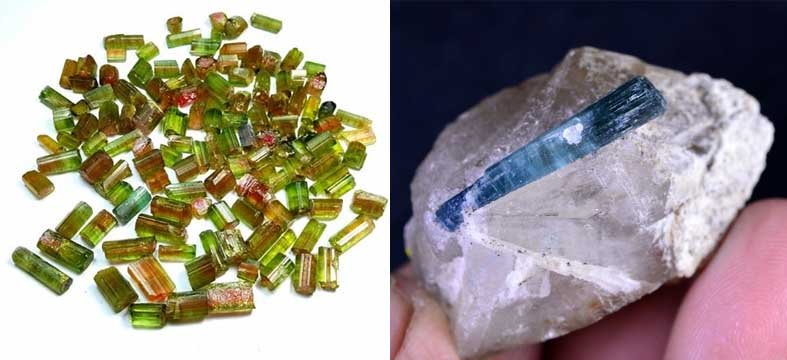
Tourmaline is a fascinating mineral that has captured the attention of gem enthusiasts and collectors alike due to its remarkable variety and unique characteristics. Classified as a cyclosilicate mineral, tourmaline stone is known for its complex crystal structure, which allows it to display a plethora of colors. This striking diversity makes it not only an interesting subject for mineralogy but also a highly sought-after stone in the jewelry market.
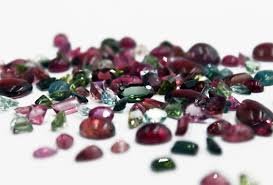
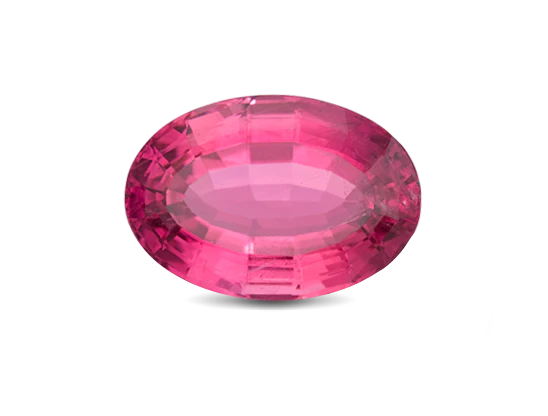
One of the defining features of tourmaline is its ability to crystallize in numerous shades, ranging from vibrant reds and pinks to serene greens and deep blues. Each color variation is often attributed to the different trace elements present during its formation. For instance, the presence of manganese can result in reddish hues tourmaline stone, while the inclusion of iron may yield a greenish tone tourmaline. This wide spectrum is particularly appealing to jewelers and collectors, who appreciate the beauty and individuality of each piece.
Significantly, tourmaline is recognized as the birthstone for October, making it a popular choice for those born in this month. Its symbolism varies across cultures, often representing balance, protection, and inspiration. These qualities, combined with its stunning visual appeal, contribute to the tourmaline stone’s desirability, enhancing its reputation in the gem world. While the tourmaline stone price can fluctuate based on factors such as rarity, color, and clarity, tourmaline overall demand continues to grow. The tourmaline stone cost, therefore, reflects its multifaceted nature and widespread admiration.
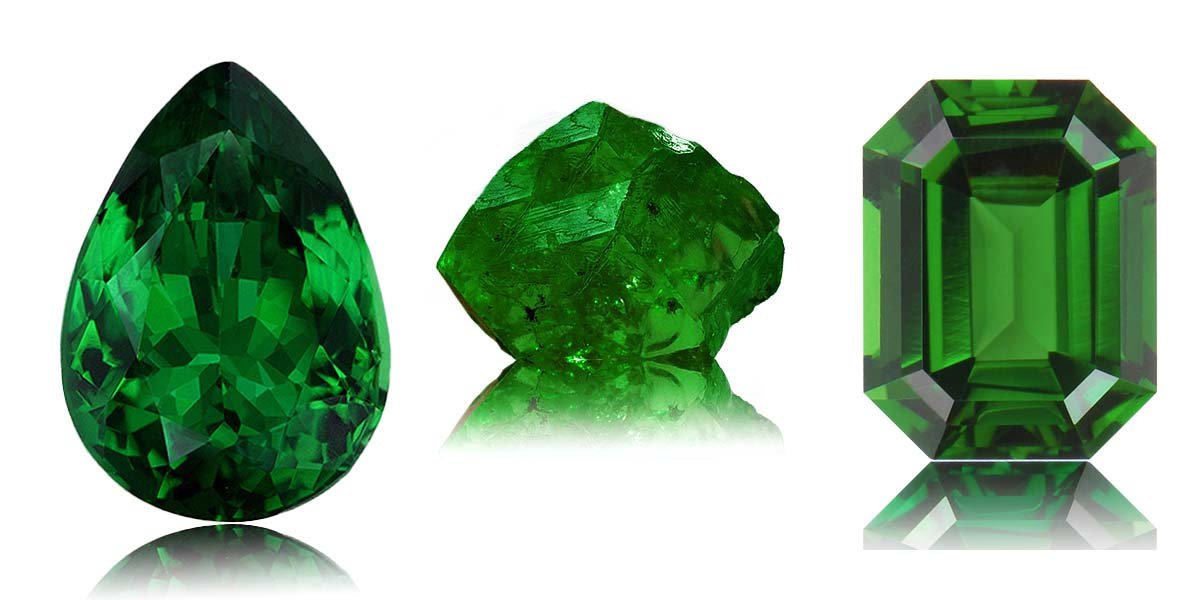
In summary, tourmaline classification as a unique and colorful mineral, along with its significance in both astrological contexts and the jewelry industry, solidifies its status as a remarkable gem worthy of exploration and appreciation.
Tourmaline stone in urdu is called as “Tarmari”. Tourmaline stone is known by it’s urdu name in Asian region specifically in Pakistan, India, Bangladesh etc.
The Unique Properties of Tourmaline
Tourmaline is a complex silicate mineral that presents a fascinating diversity in its chemical structure and physical properties. One of the most remarkable aspects of tourmaline is its diverse crystal structure, which can form in a variety of shapes, including elongated prismatic crystals. This unique characteristic contributes to the varying appearances and colors that tourmaline stone exhibits. From deep blacks to vibrant pinks and greens, the range of hues found in tourmaline makes it a sought-after gemstone in jewelry and decorative applications.
- When it comes to hardness, tourmaline ranks between 7 and 7.5 on the Mohs scale, making it a durable option for everyday wear. This hardness level ensures that the tourmaline stone can withstand scratches and damage better than softer gemstones. As a result, many jewelers prefer to use tourmaline in engagement rings and other frequently worn items, providing a blend of beauty and practicality. Its ability to maintain a polished surface over time adds to the value of the tourmaline stone, contributing to its favorable cost in comparison to other, less durable stones.
- Another intriguing property of tourmaline is its piezoelectric characteristics. When subjected to pressure, tourmaline can generate an electric charge. This feature is not only scientifically significant but also opens avenues for practical applications, such as in the fields of electronics and alternative medicine. By understanding how the tourmaline crystal’s structure influences its electric properties, researchers have been able to explore the gemstone’s potential in various innovative technologies. This further elevates the tourmaline stone’s status as both a beautiful gem and a functional material, highlighting its unique properties and value in multiple industries.
Historical Significance of Tourmaline
Tourmaline, a gemstone renowned for its vibrant colors and unique properties, has a rich history that dates back to ancient civilizations. Evidence suggests that the tourmaline stone was known and utilized by cultures as early as 300 B.C. in ancient Egypt. The Egyptians referred to this captivating tourmaline stone as “crystal of the rainbow,” as it can exhibit multiple colors in a single specimen. They believed it contained powerful protective properties, using tourmaline stone in amulets and other ornamental artifacts to safeguard against negative energies.
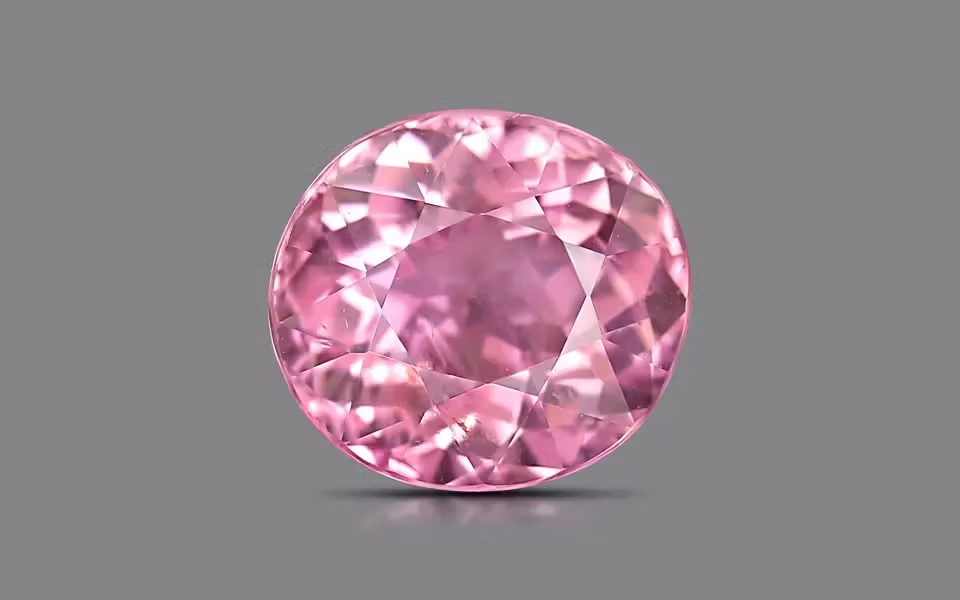
During the Middle Ages, tourmaline stone popularity spread to Europe, where it became linked to various healing practices. Tourmaline stone was thought to possess the ability to cure ailments, promote emotional balance, and even protect against sorcery. Royal families and nobles prized the tourmaline stone, with it often being set in elaborate jewelry pieces that symbolized wealth and status. The rich hues of tourmaline stone also caught the attention of jewelers during this time, leading to its incorporation into numerous designs.
Interestingly, the tourmaline stone role in traditional practices continues in many cultures today. In Eastern civilizations, it has been utilized in holistic healing and meditation, where practitioners believe the tourmaline stone can help balance energy and aid in emotional well-being. The acceptance of tourmaline stone in various cultural rituals highlights its enduring significance.
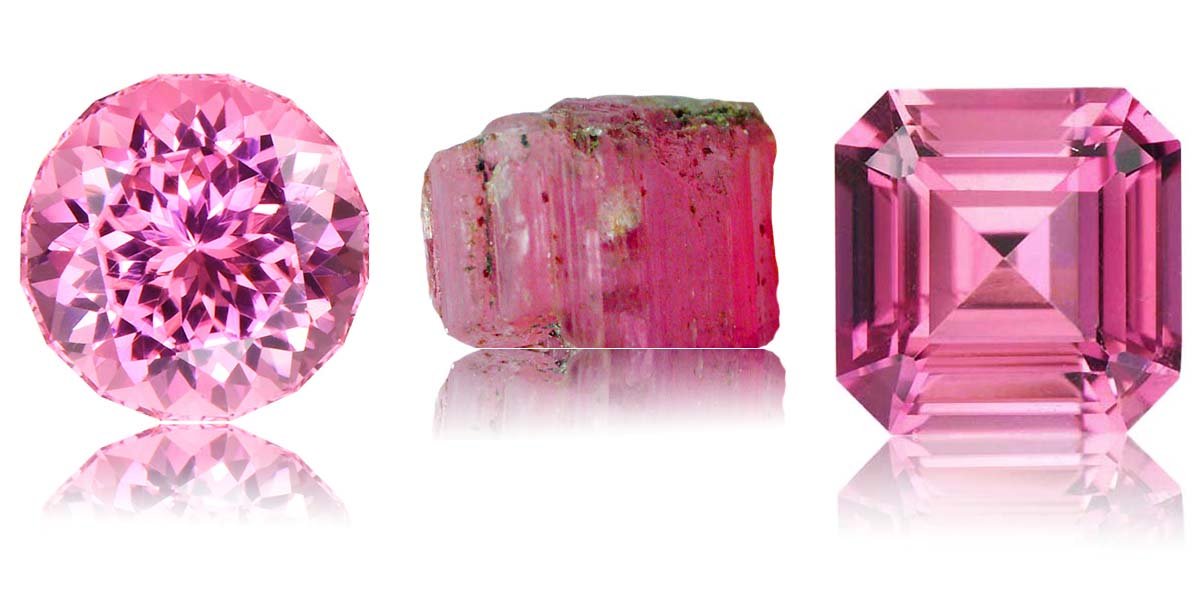
By the time of the early 19th century, tourmaline had gained further acclaim in Europe and America, where miners uncovered its deposits, igniting a newfound interest in the stone. In more modern contexts, tourmaline is appreciated not only for its beauty but also for its variety, with many people curious about the tourmaline stone price and cost in today’s market. The evolution of this incredible gemstone, from ancient amulet to contemporary jewel, showcases its timeless allure and multifaceted history.
Health Benefits and Healing Properties of Tourmaline
Tourmaline is a semi-precious gemstone that has been highly regarded for its purported metaphysical and healing properties throughout history. Many practitioners in the holistic and alternative health communities claim that this beautiful tourmaline stone can promote emotional stability and balance, making it a popular choice for those seeking to enhance their well-being. The vibrational energy of tourmaline stone is believed to help clear negative emotions and encourage a more positive outlook on life, which may be beneficial for individuals experiencing stress or anxiety.
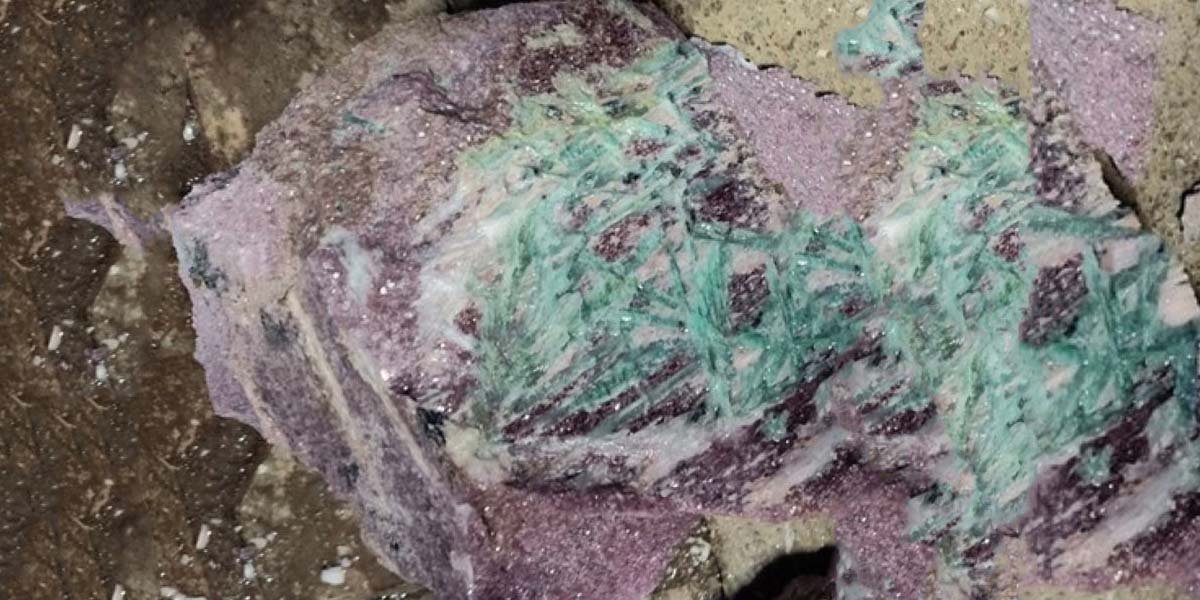
- In addition to its emotional benefits, tourmaline stone is frequently advocated for its detoxification properties. Many enthusiasts believe that the tourmaline stone aids in eliminating toxins from the body, promoting overall health and wellness. By incorporating tourmaline stone into daily rituals, such as wearing it as jewelry or utilizing it in crystals for meditation, individuals may experience enhanced detoxification effects. Many holistic practitioners recommend pairing tourmaline stone with practices like yoga or energy healing to amplify its beneficial properties.
- Moreover, it is thought that tourmaline stone can support physical healing. Some believe that the tourmaline stone improves circulation and boosts the immune system, offering support during recovery from various ailments. Tourmaline stone contains a unique composition that includes elements such as boron, which is essential for cellular health, further enhancing its appeal as a healing stone. Many people have incorporated tourmaline stone into their wellness routines, using various forms of the tourmaline stone—such as tumbled stones, raw pieces, or even essential oils extracted from it.
- While scientific evidence supporting these claims is limited, the popularity of tourmaline stone continues to grow in wellness and complementary health circles. As with any healing practice, it is essential to approach the use of tourmaline stone with an open mind and to combine it with professional medical advice for comprehensive health benefits.
Tourmaline in Jewelry: Styles and Settings
Tourmaline, known for its stunning array of colors and versatility, has become a favored choice in the world of jewelry design. From rings to necklaces to bracelets, tourmaline stone can be found in various styles, each showcasing its unique beauty. The tourmaline stone is not only eye-catching but also adaptable, allowing designers to craft pieces that suit any aesthetic, be it classic, modern, or bohemian.
One of the most popular applications of tourmaline stone is in rings. Typically set in gold or silver, tourmaline stone can be cut into various shapes, including round, oval, and pear. The round brilliant cut, often favored for its ability to reflect light, creates a vibrant sparkle. Meanwhile, the emerald cut enhances the clarity and color of the tourmaline stone, making it an elegant choice for engagement rings.
In necklaces, tourmaline stone is frequently strung together in strands or featured as a striking centerpiece in pendants. The variety of colors — ranging from deep greens to vivid pinks — allows jewelers to create captivating combinations that highlight individual style. Additionally, bracelets adorned with tourmaline stone offer an opportunity for personalization, with multi-stone designs reflecting the wearer’s unique palette.
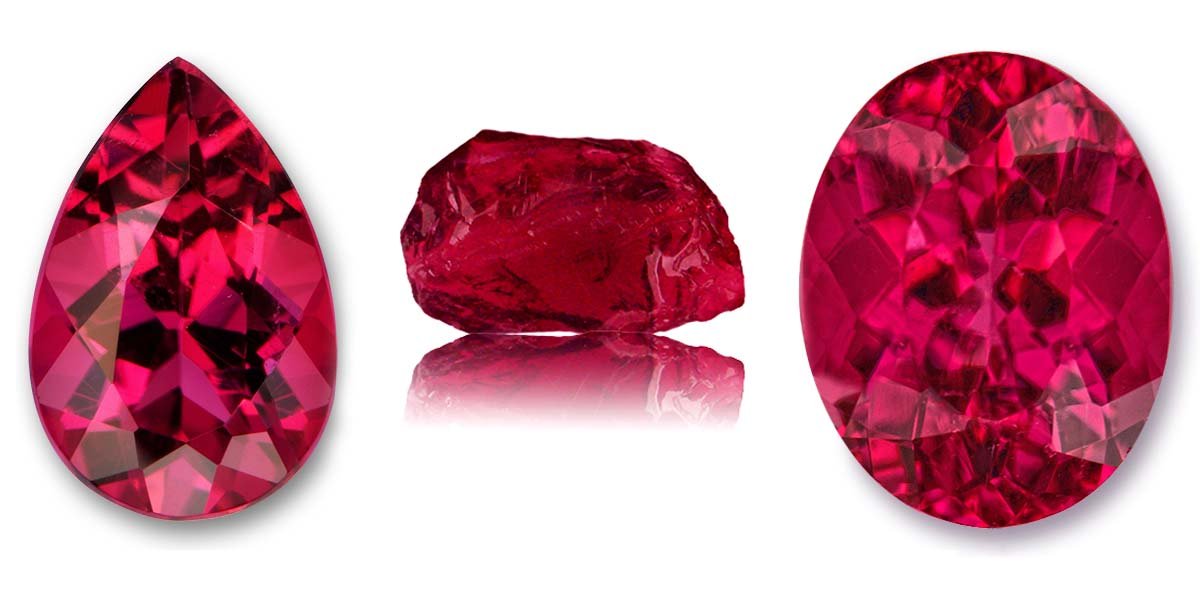
Caring for tourmaline jewelry is relatively straightforward. To maintain its allure, it is advisable to clean it gently with mild soap and warm water, avoiding harsh chemicals. Storing tourmaline pieces separately can prevent scratches, and regular inspections can ensure loose settings are secured. Understanding that tourmaline is a birthstone for those born in October can also enhance its appeal, adding a personal touch to any jewelry collection.
In essence, the tourmaline stone’s versatility in jewelry design, coupled with its stunning colors and reasonable cost compared to some other gemstones, makes it a popular choice among both designers and enthusiasts alike.
The Global Market for Tourmaline
The tourmaline stone has gained significant popularity in recent years due to its stunning array of colors and metaphysical properties. Sourced primarily from countries like Brazil, the United States, Nigeria, and Madagascar, the global market for tourmaline stone remains vibrant. Each region produces unique varieties and colors, which appeals to both collectors and consumers seeking attractive gemstones. The increasing demand has led to a growing availability of tourmaline in different forms, ranging from raw stones to polished jewelry.

- In terms of pricing, several factors influence the tourmaline stone price, including color, clarity, size, and origin. The most highly valued tourmaline stones are often those with a deep, vivid color, such as the “watermelon” tourmaline that contains pink and green hues. Also, the size of the stone plays a crucial role; larger stones have high tourmaline stone price , while smaller tourmaline stone price is lesser and are more accessible to a wider audience. On average, the tourmaline stone cost can vary significantly, ranging from as low as 5000 rupees per carat for lesser-quality stones to several hundred dollars for high-quality specimens.
- Another notable aspect of the tourmaline stone price is the impact of synthetic alternatives. With advancements in technology, synthetic tourmaline has emerged, and these tourmaline stones price is affordable. Many consumers are now informed about the differences between natural and synthetic stones, which influences tourmaline stone price and buyer’s purchasing decisions. While some collectors prefer authentic stones for their rarity and natural beauty, therefore tourmaline stone price is higher, others are attracted to synthetic options for a lesser tourmaline stone cost.
- In recent years, the interest in tourmaline stone price has also extended to cultural awareness, particularly in regions like South Asia, where the tourmaline stone in Urdu holds significance. This cultural aspect further impacts tourmaline stone price, market dynamics and consumer behavior, creating a multifaceted market landscape. Understanding these elements helps stakeholders navigate the complexities associated with sourcing, tourmaline stone price, and consumer preferences in the global tourmaline stone cost.
Tourmaline Stone Price: How Much is Tourmaline Worth?
When considering the purchase of a tourmaline stone, it is essential to understand the factors that influence the tourmaline stone price. Tourmaline is a versatile gemstone that comes in a variety of colors, each with its unique appeal and varying tourmaline stone price. The primary factors affecting the tourmaline stone price include color, clarity, carat weight, and the origin of the stone.
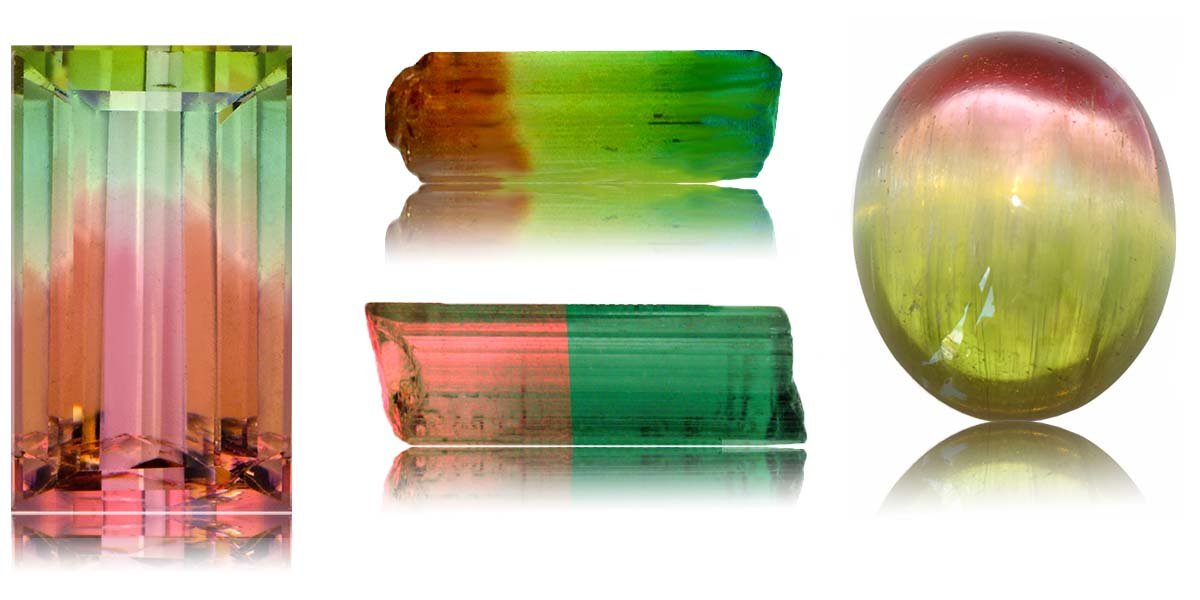
- Color is arguably the most significant determinant of a tourmaline stone price. Tourmaline stone is known for its extensive color range, including pink, green, blue, and even bi-colored varieties which have higher tourmaline stone price. Certain colors, such as deep green or rich pink, tend to be more sought after and thus command higher tourmaline stone price. In contrast, more common colors may be more affordable, affecting the overall tourmaline stone cost. Additionally, the presence of secondary hues can enhance or diminish a tourmaline stone price
- The clarity of a tourmaline stone is another crucial factor that impacts tourmaline stone price. Stones that are eye-clean, meaning they do not possess visible inclusions to the naked eye, have typically higher tourmaline stone price. On the other hand, tourmalines with noticeable inclusions have less tourmaline stone price despite their color. Carat weight also plays a significant role; larger stones generally have a higher tourmaline stone price per carat than smaller ones, although the relationship of tourmaline stone price can vary based on color and clarity.
- A rough guideline for tourmaline stone price would range from 5000 rupees per carat for lower quality stones, such as opaque varieties, to over 300,000 rupees per carat for fine gemstones, particularly those that are rare in color or exceptionally clear. Additionally, understanding tourmaline stone price can further assist potential buyers in making informed decisions. In conclusion, a detailed evaluation of these various factors will equip buyers with the knowledge necessary to navigate the beauty and of tourmaline stone price effectively.
Caring for Your Tourmaline Stone
To maintain the exquisite beauty and integrity of tourmaline stone, proper care and storage are essential. The tourmaline stone, known for its vibrant colors and unique properties, requires specific cleaning methods that can preserve its brilliance without risking damage. It is vital to understand that tourmaline stone is a relatively durable gemstone, with a hardness rating of 7 to 7.5 on the Mohs scale. However, it is still sensitive to harsh chemicals and extreme conditions.
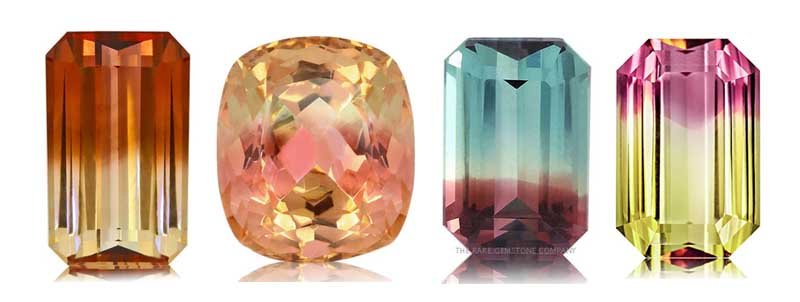
- When cleaning your tourmaline jewelry, it is best to use lukewarm water mixed with a gentle soap. Avoid abrasive materials; instead, opt for a soft cloth or a soft-bristled toothbrush to gently scrub any dirt or grime. After washing, rinse with clean water and dry the piece thoroughly with a soft, lint-free cloth. It is crucial to refrain from using ultrasonic cleaners or steam cleaners, as these can cause damage to the tourmaline stone and so affects tourmaline stone price.
- To prevent scratching or chipping, it is advisable to store tourmaline jewelry separately, preferably in a soft pouch or lined jewelry box. When storing multiple pieces, ensure they do not come into contact with one another, as this could lead to abrasions and thus can affect tourmaline stone price. For those who possess loose tourmaline stone, keeping them in individual compartments is equally important to preserve the quality and tourmaline stone price.
- Moreover, it’s essential to keep tourmaline away from extreme temperatures and direct sunlight, which can affect its color and structure. Regularly inspecting your tourmaline jewelry for any signs of wear or damage can also help you take prompt action to mitigate potential issues and tourmaline stone price. By following these care guidelines, you can enjoy the stunning aesthetics and unique qualities of your tourmaline stone for many years to come and therefore tourmaline stone price remains unaffected.
Conclusion: The Timeless Allure of Tourmaline
Tourmaline stone, with its captivating array of colors and unique properties, has long enthralled gemstone enthusiasts and collectors alike. This remarkable tourmaline stone stands out in various markets, drawing attention not only for its aesthetic appeal but also for its reputed metaphysical benefits. Considered a birthstone for October, tourmaline stone is beloved by many for its connection to emotional healing and balance, which further enhances its desirability among holistic practitioners.
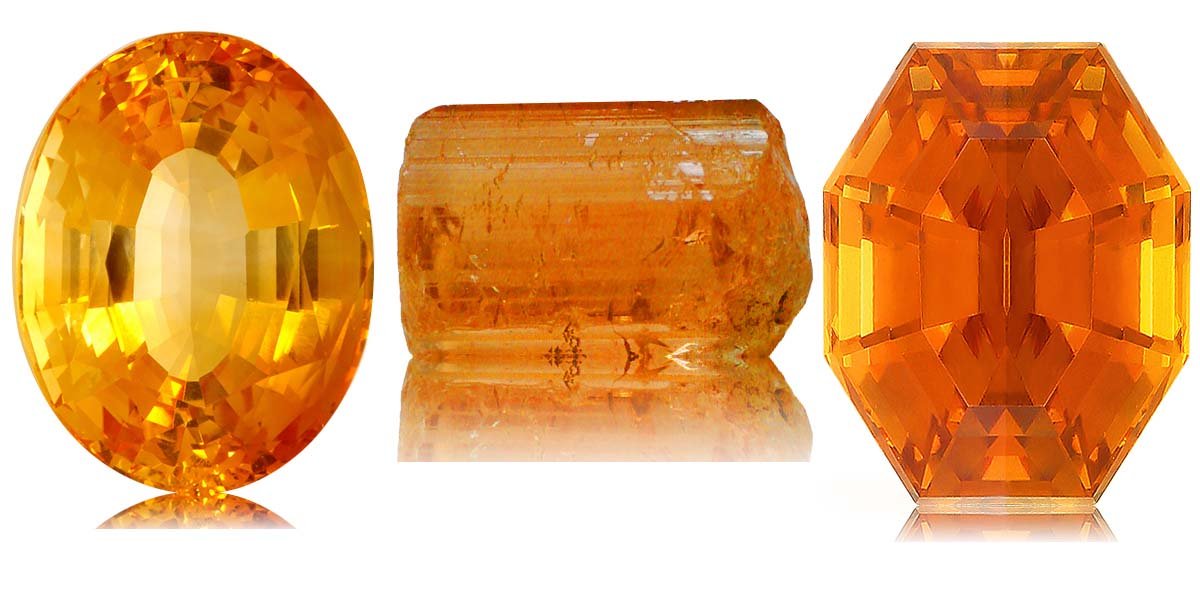
The tourmaline stone price can vary significantly based on factors such as color, clarity, and cut. Rare varieties, such as watermelon tourmaline, can command higher prices, highlighting the gemstone’s range and versatility. Understanding the tourmaline stone cost involves considering these elements, as well as the current trends in the gemstone market. Whether you are looking to invest in high-quality pieces or simply explore vibrant options, being informed about the various types of tourmaline will be beneficial.
Furthermore, the allure of tourmaline stone extends beyond its market value. In cultures worldwide, the tourmaline stone holds significant cultural and spiritual meanings. In Urdu, for example, the term for tourmaline carries connotations that reflect its trusted properties and traditional uses. Consequently, the appreciation for this gemstone is not only material but also deeply rooted in cultural significance.
Ultimately, the timeless charm of tourmaline stone lies in its multifaceted nature—admired in fine jewelry, sought after for its healing properties, and imbued with a rich historical context. As we conclude our exploration of this extraordinary gemstone, we encourage readers to recognize the potential beauty it can bring to personal collections, as well as the wonderful experiences that can accompany its ownership.