

Understanding Topaz Gemstone
Topaz is a silicate mineral that is composed of aluminum and fluoride, often found in igneous rocks. Its chemical formula is Al₂SiO₄(F,OH)₂, indicating its complex yet fascinating structure. One of the noteworthy aspects of topaz is its geological formation, which occurs when hydrothermal fluids circulate through rocks at high temperatures, leading to the crystallization of this beautiful mineral. The result is a gemstone that is not only aesthetically pleasing but also exhibits remarkable durability.
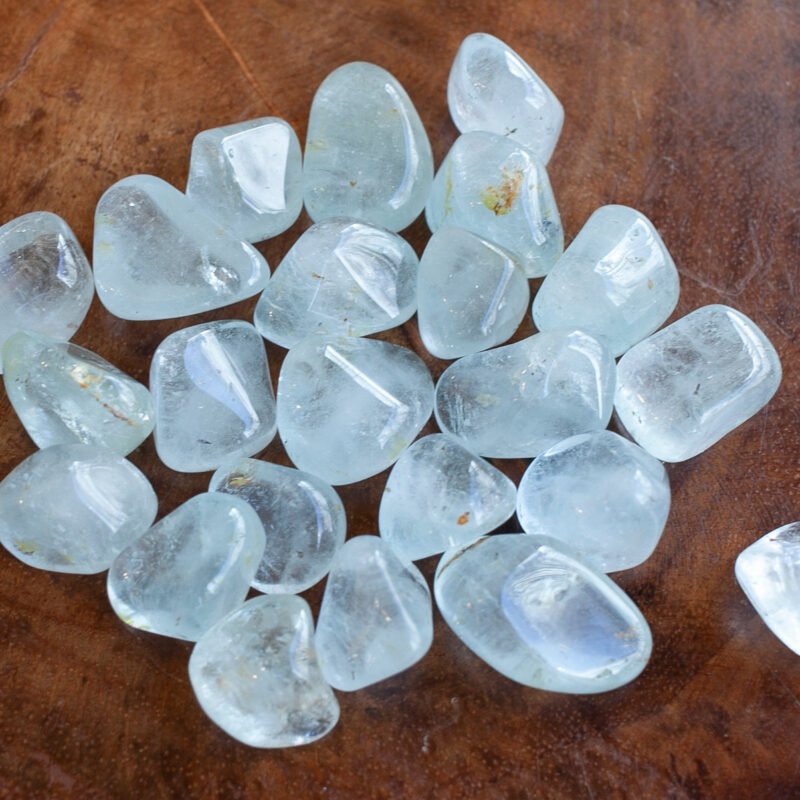
On the Mohs scale of hardness, which measures the scratch resistance of various minerals, topaz ranks at a sturdy 8. This ranking places it among some of the more durable gemstones, making it an excellent choice for everyday jewelry. Its resilience, combined with its stunning array of colors, ranging from the popular blue topaz to the more delicate pink and yellow topaz, makes it a desirable option for both collectors and consumers alike.
The historical significance of topaz stretches back thousands of years, with references found in ancient Roman, Egyptian, and Indian cultures. In these societies, the topaz gemstone has often been associated with various metaphysical properties. It has been believed to bring joy, peace, and protection to its wearer. Moreover, its use in jewelry has been widespread, with topaz being crafted into intricately designed pieces that highlight its brilliance and charm.
Modern interpretations of topaz not only continue to celebrate its visual allure but also its profound historical and cultural significance. Thus, whether someone values the topaz gemstone for its beauty, symbolic meanings, or potential worth—considering factors like topaz gemstone price—it clearly holds a unique spot in the world of gemstones.
The Spectrum of Topaz Gemstone: A Visual Delight
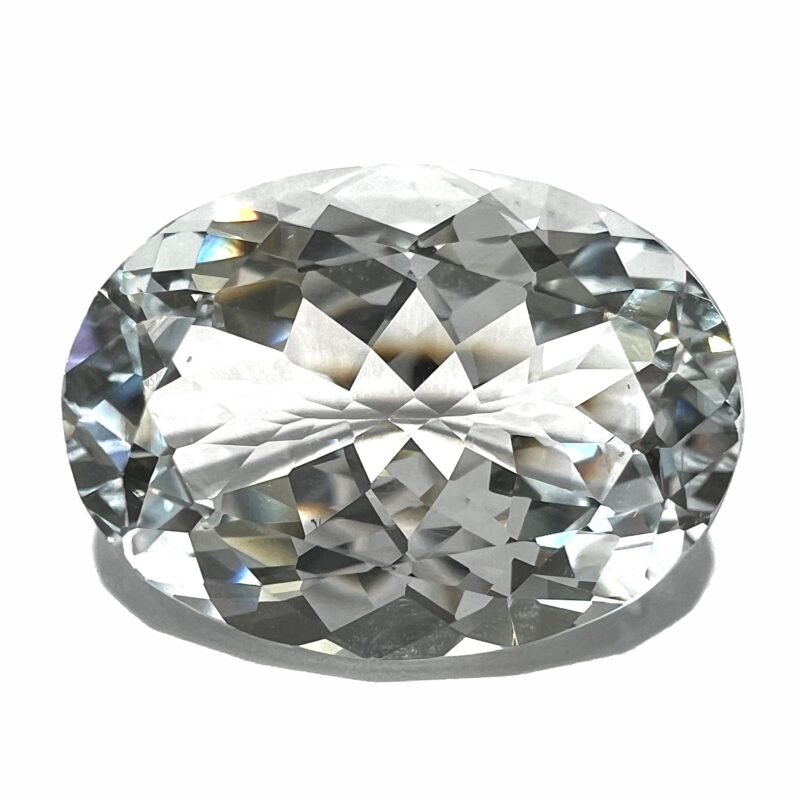
Topaz, a mineral composed of aluminum, fluorine, and silica, exhibits a stunning variety of colors, making it one of the most admired gemstones in the world. While the most common topaz gemstone is colorless, it can naturally occur in various shades, with blue, yellow, and pink being particularly popular among gem enthusiasts. Each of these colors has unique qualities that attract collectors and jewelers alike.
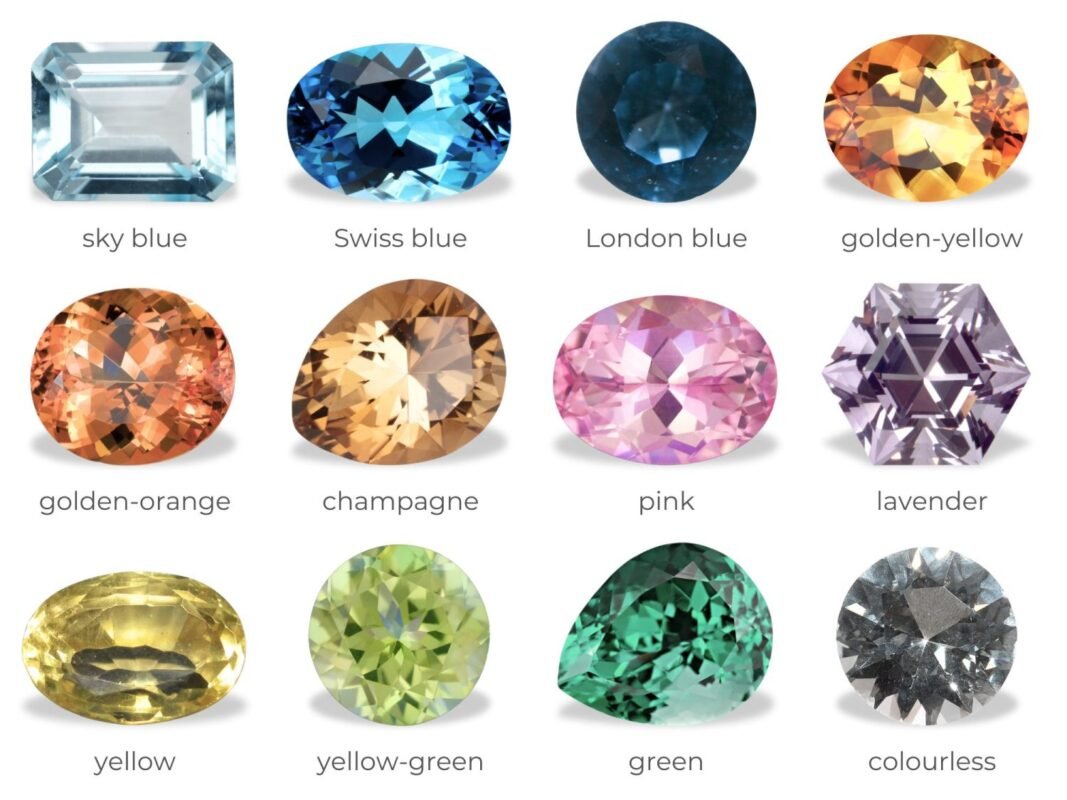
- Blue topaz is particularly sought after, thanks to its vibrant hue. The gemstone’s captivating blue comes from treatments such as heat treatment and irradiation, which enhance its natural color. The result can range from a pale sky blue to a deep London blue, each shade possessing its own allure and charm. Hence, the topaz gemstone price can vary significantly depending on the intensity of the blue hue, with deeper colors generally commanding higher prices in the market.
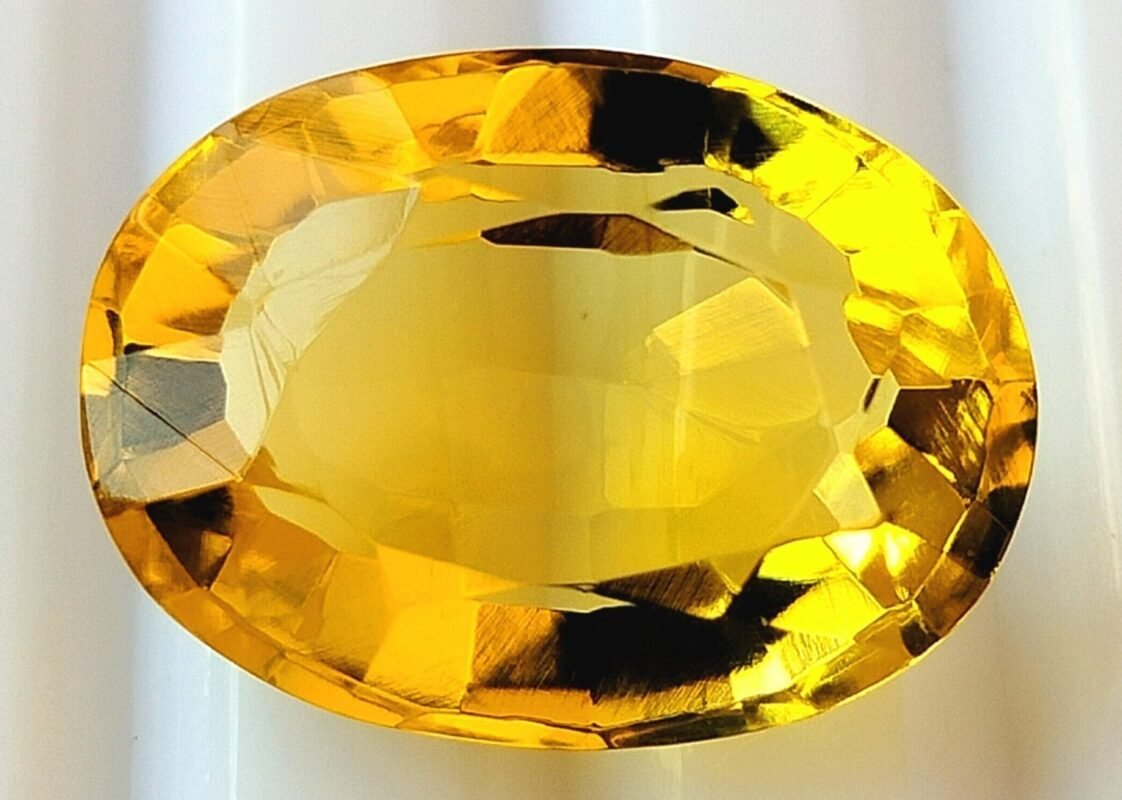
- People often mistake yellow topaz, known for its warm and inviting glow, for citrine. Both natural processes and treatments can influence its color. People prize this variety for its sunny, cheerful appearance, and its availability makes it a favorite for those seeking a vibrant pop of color in their jewelry collection. Rarity can play a significant role in determining the topaz gemstone price, especially for rare shades of yellow or more saturated hues.
- Pink topaz, though less common, adds an element of elegance and sophistication. Its unique charm stems from the subtle variations in color that can range from light blush to deep rose. Because of its relative scarcity, pink topaz garners significant interest among collectors, further affecting its market value.
Market Insights: Topaz Gemstone Pricing and Value
The market for topaz gemstones is characterized by various factors that influence their pricing and perceived value. The most prominent determinant is color, with blue topaz often commanding a higher price compared to its yellow and pink counterparts. Jewelry buyers frequently seek blue topaz for its vibrant hue and clarity, increasing its market demand. As with most gemstones, the clarity of the topaz gemstone also plays a pivotal role in its appraisal. Clarity refers to the presence of inclusions or blemishes, and a clearer stone typically results in a more favorable price point.
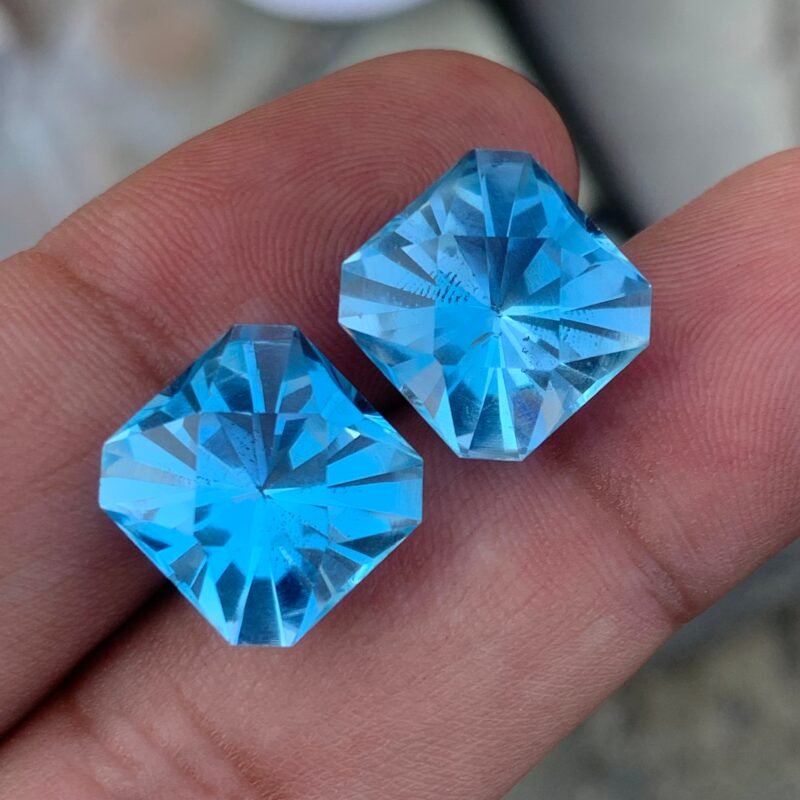
Moreover, the cut of the topaz gemstone significantly impacts its overall brilliance and aesthetic appeal. A well-executed cut can enhance the stone’s reflections and stand out in various lighting conditions, further influencing its market value. Additionally, the gemstone’s pricing depends on its carat weight—larger carat weights usually command higher prices, although other factors also influence the final cost.
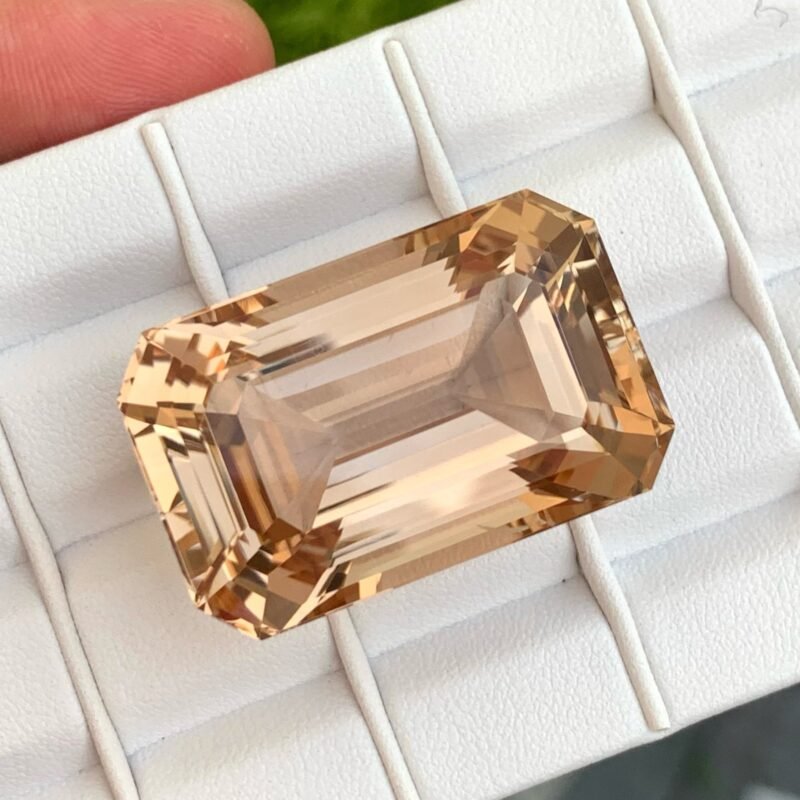
In examining different colored topaz gemstones, we find varying price ranges. Yellow topaz tends to be more readily available and therefore is often more affordable. In contrast, the rarer pink variety can fetch higher prices due to its scarcity. Consumers should be mindful of market trends while purchasing topaz, as prices can fluctuate based on demand and mining conditions.
When considering a purchase, potential buyers should prioritize certification from recognized gemological institutions. This certification ensures the authenticity and quality of the topaz gemstone. Moreover, selecting reputable dealers who are transparent about pricing and provide a detailed grading system will further protect consumers from potential pitfalls. Understanding these factors will empower buyers to make informed decisions in the ever-evolving market for topaz gemstones.
Caring for Your Topaz Gemstone: Maintenance and Best Practices
Topaz gemstones, known for their remarkable array of colors including blue, yellow, and pink, require proper care to maintain their beauty and integrity. If you cherish jewelry made from topaz, follow a few essential maintenance tips to keep it stunning over the years.
- First and foremost, you should clean topaz gemstone using gentle methods. Use a soft, lint-free cloth daily to remove oils and dirt. For a more thorough cleaning, apply a mild soap solution. Simply mix a few drops of a gentle dish soap with warm water, soaking the piece for several minutes before gently scrubbing with a soft brush. Rinse thoroughly and dry with a soft cloth to prevent water spots.Strictly avoid harsh chemicals and abrasives, as they can dull the surface of the topaz gemstone or cause irreversible damage.
- When it comes to storage, your topaz jewelry should be kept in a soft pouch or a designated jewelry box lined with fabric to prevent scratches. Avoid storing multiple pieces together, as the gemstones can inadvertently harm one another. For those who own various types of topaz, such as blue topaz, yellow topaz, or pink topaz, it’s advisable to store them separately to keep their colors vibrant and prevent any potential damage.
- Additionally, it is crucial to protect topaz from extreme temperatures and sudden changes in temperature, which can lead to thermal shock. This is particularly relevant for larger or more elaborate pieces. You should approach activities that may subject the gemstone to physical stress, such as intense sports or heavy manual labor, with caution. Overall, by implementing these best practices, you can ensure the longevity of your topaz gemstone, allowing it to continue to captivate for many years to come.