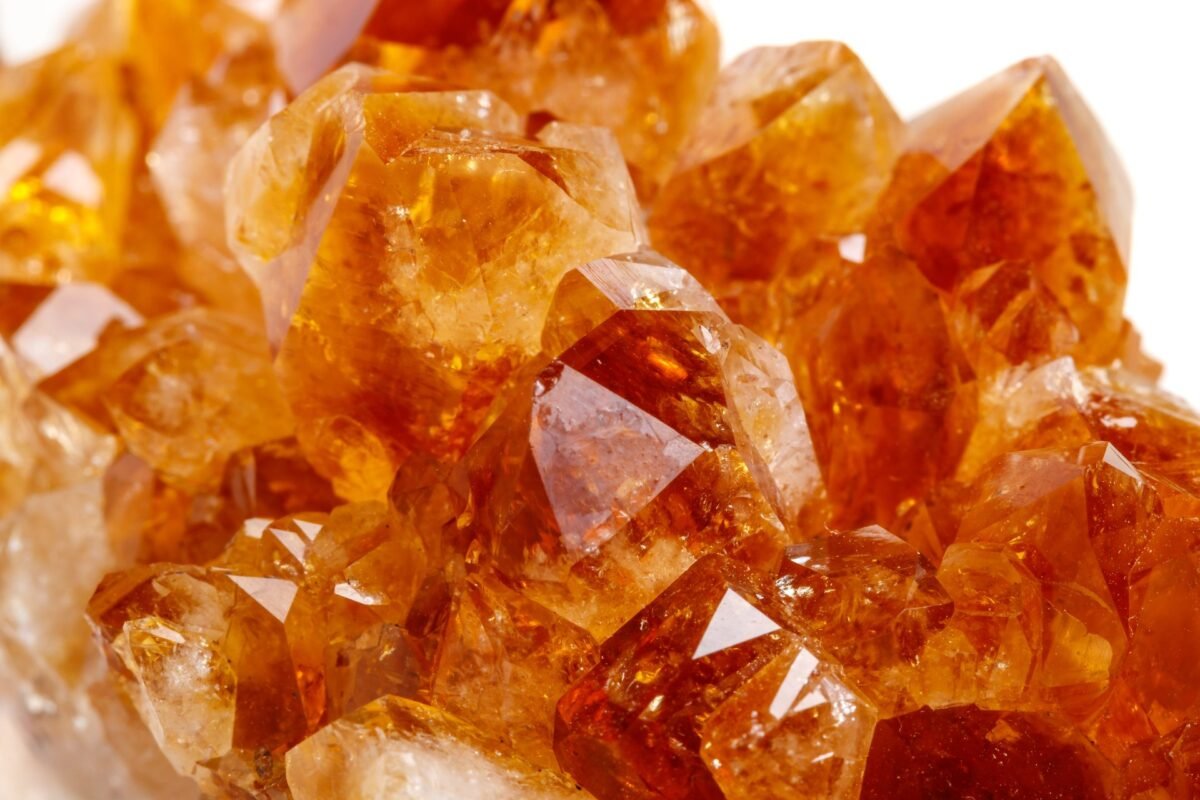
The Historical Significance of Citrine
Citrine stone, often referred to as the “merchant’s stone,” possesses a historical legacy that spans across numerous civilizations and cultures. Its rich hues, ranging from pale yellow to deep amber, have fascinated people since ancient times. Among the earliest cultures to recognize the beauty and potential of this remarkable mineral were the ancient Egyptians, who believed that wearing citrine stone offered protection and healing. They crafted amulets and jewelry featuring this vibrant gemstone, attributing to it properties that could ward off evil spirits and bring prosperity.
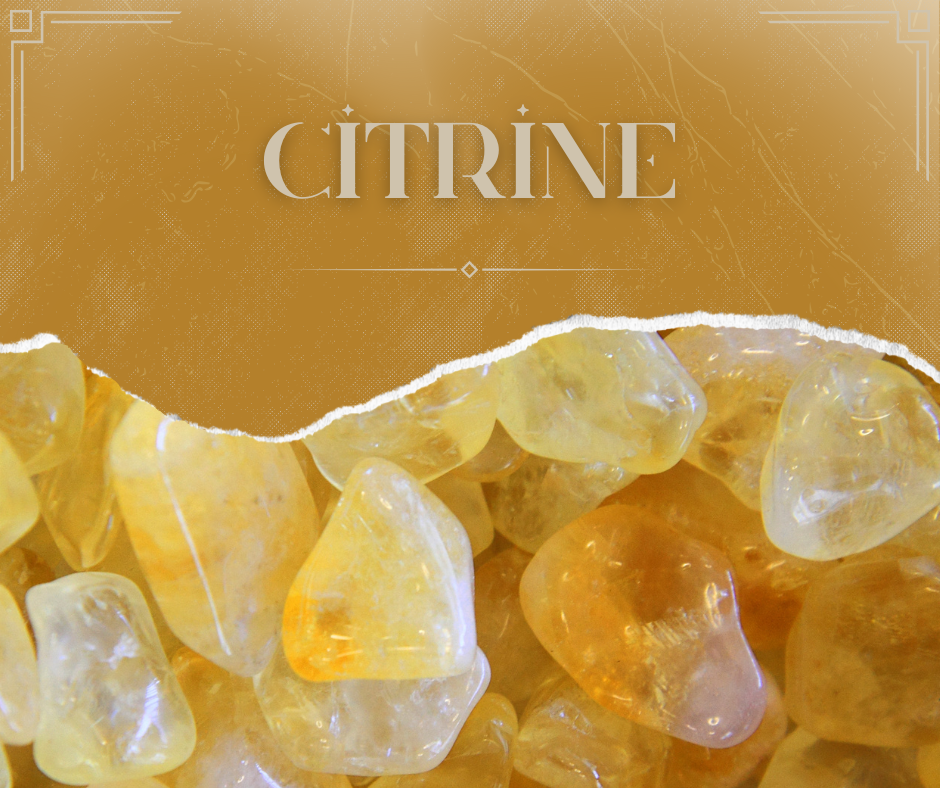
In the realms of ancient Greece, citrine stone was used in signet rings and other ornamentation. The Greeks associated this yellow gemstone with Apollo, the god of the sun, thus further elevating its significance. Romans also valued citrine for its aesthetic appeal, utilizing it in their jewelry designs and trade. The vibrant citrine rock became a popular choice among the elite, showcasing their wealth while simultaneously being believed to confer spiritual and financial benefits.
Throughout the Middle Ages and the Renaissance in Europe, the appeal of citrine stones continued to thrive. Jewelers of the time would often incorporate the stone into intricate designs, believing it to possess transformative qualities. Notable figures such as Queen Victoria wore citrine, cementing its status as a staple among the royal elite. Furthermore, the stone found a place in various spiritual practices, where it was believed to enhance creativity and abundance.
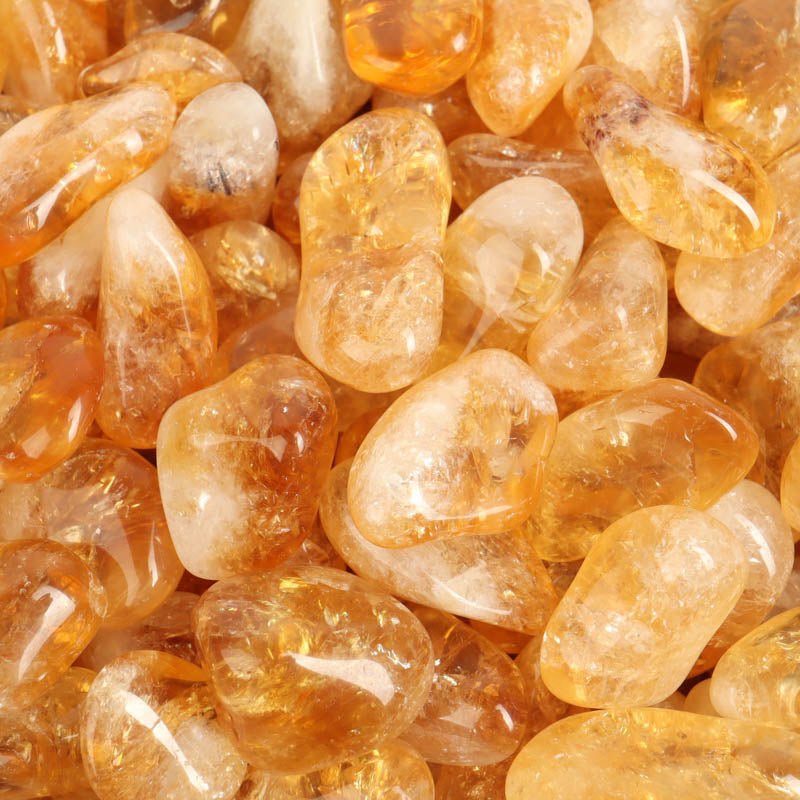
In the modern era, citrine has retained its prominence, representing prosperity and success in various spiritual beliefs. Its historical narrative spans thousands of years, encapsulating a journey of cultural appreciation and significance across continents. Today, citrine rock remains not only a beautiful gem but also a symbol of wealth, making it a cherished choice for collectors and enthusiasts alike.
The Unique Properties of Citrine
Citrine stone, known for its vibrant shades ranging from light yellow to deep amber, is a remarkable member of the quartz family. Its formation occurs through crystallization in igneous and metamorphic rocks, particularly in hydrothermal veins. The unique color of citrine stone is attributed to the presence of iron, which gives it that warm golden hue. This striking appearance not only makes it aesthetically appealing but also influences its value in the gemstone market; deeper, more saturated colors are generally more sought after. Additionally, citrine rocks are often found in various geological locations, including Brazil, Madagascar, and Russia, contributing to their unique characteristics and charm.
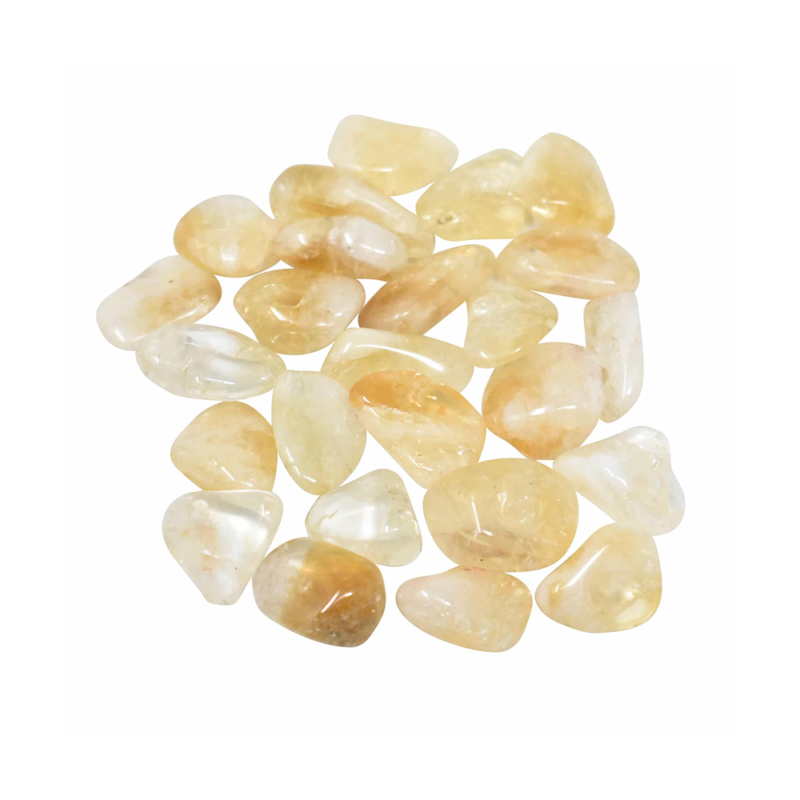
Beyond its physical allure, citrine stone is widely recognized for its metaphysical properties. Traditionally, it has been regarded as the “merchant’s stone,” believed to attract abundance, prosperity, and success. Many practitioners of crystal healing utilize this semi-precious stone for its purported abilities to promote positivity and self-confidence. The citrine stone is thought to assist in manifesting personal power and enhancing motivation, which makes it an essential tool for those embarking on personal or professional endeavors. Its warm energy is believed to dispel negative thoughts and encourage a cheerful disposition, aligning with the philosophy that positive energy promotes positive outcomes.
Market Trends: Pricing of Citrine Stones
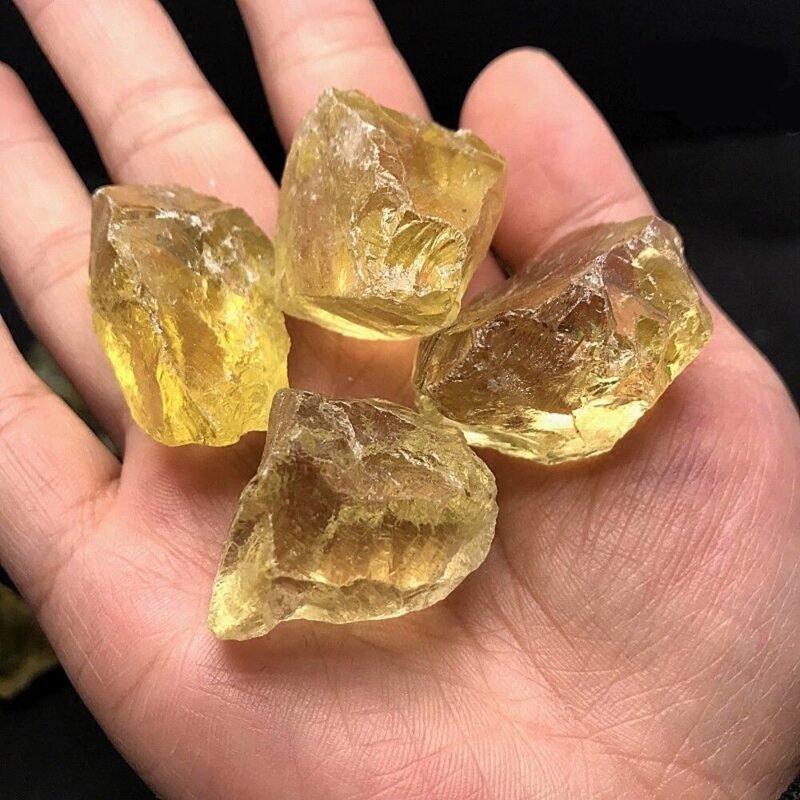
The pricing of citrine stones is influenced by several factors, which are essential for potential buyers and investors to understand. Firstly, the size of the citrine rock plays a significant role in determining its value. Larger stones are typically more sought after, leading to higher prices per carat. As the size increases, so does the overall market demand, making these gemstones a more lucrative purchase for collectors and jewelers alike.
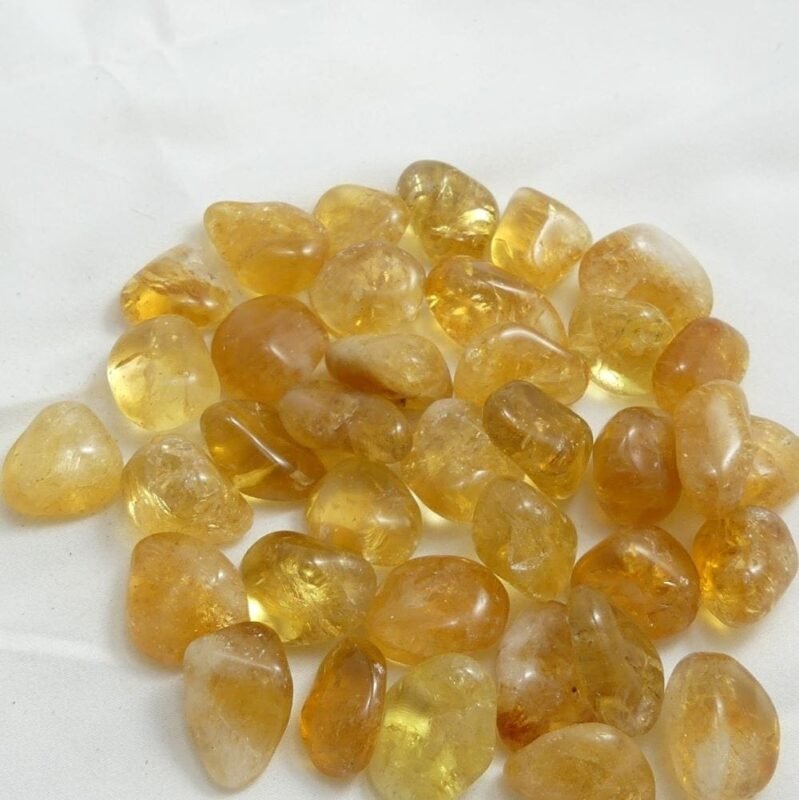
Another crucial aspect is clarity. Gemstone clarity refers to the presence of internal or external inclusions within the stone. Higher clarity indicates fewer flaws, leading to a more brilliant appearance and increased desirability in the market. Buyers should be cautious, as citrine stones with clarity ratings ranging from eye-clean to flawless tend to command higher prices. In contrast, stones with visible inclusions may be less valuable, making it essential for consumers to evaluate this factor during purchases.
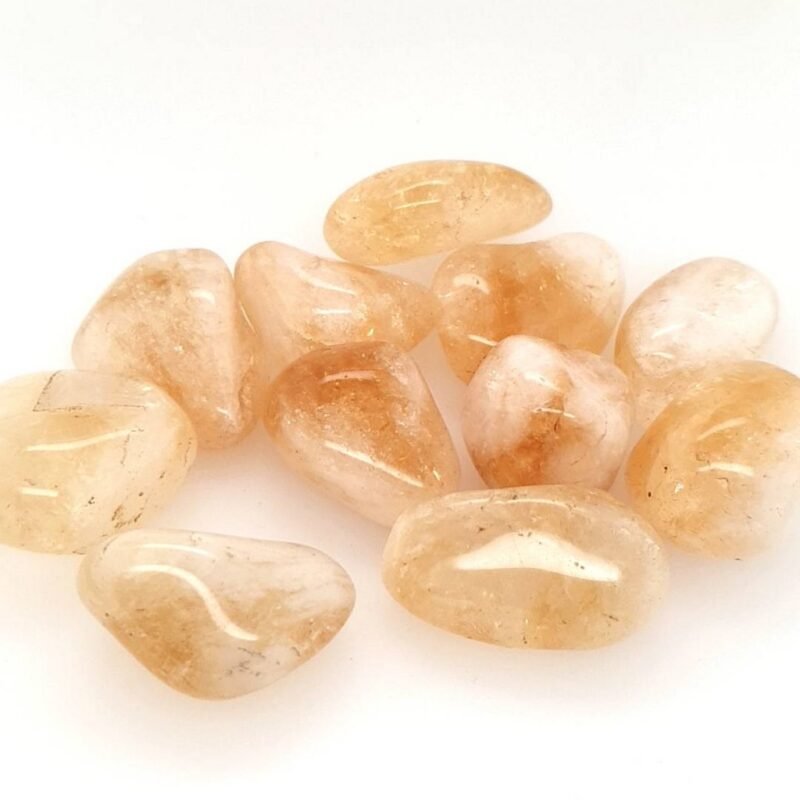
The origin of the citrine stone also plays a significant part in its pricing. Citrine rock sourced from renowned locations, such as Brazil and Madagascar, are often considered superior due to their rich color and overall quality. Stones from these areas may attract higher prices compared to those from lesser-known mines. Additionally, the market can see variations in pricing based on color saturation; darker, more intense shades of yellow or orange often fetch higher prices than lighter hues.
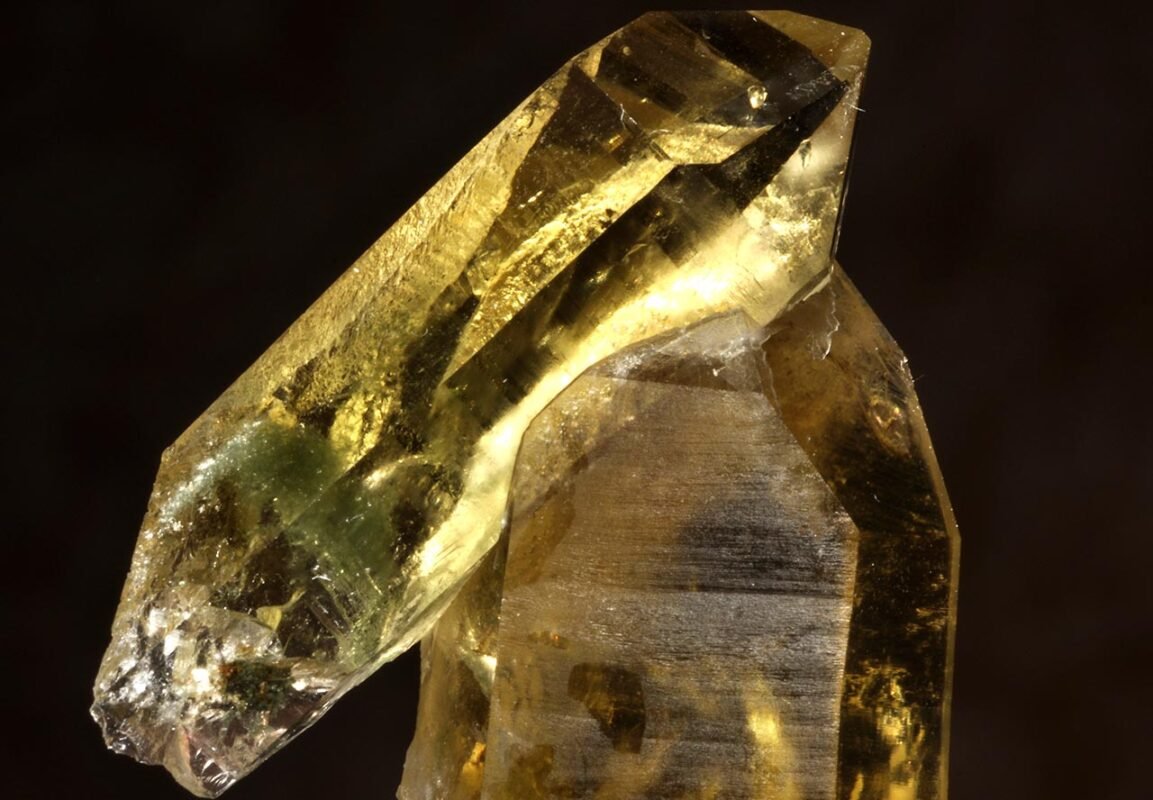
When purchasing citrine rock, consumers should consider these factors critically. Researching reputable suppliers, examining the quality and characteristics of the citrine stone in Urdu, and comparing retail versus wholesale prices can provide invaluable insights. Understanding these aspects will equip buyers to make informed decisions in the competitive market for citrine products.
Caring for Citrine Rock
Caring for citrine stone is essential for maintaining their mesmerizing beauty and energy. Being a type of quartz, citrine is relatively durable, scoring a 7 on the Mohs scale. However, to ensure that your citrine rock retains its brilliance, it is crucial to adopt proper cleaning and storage techniques.
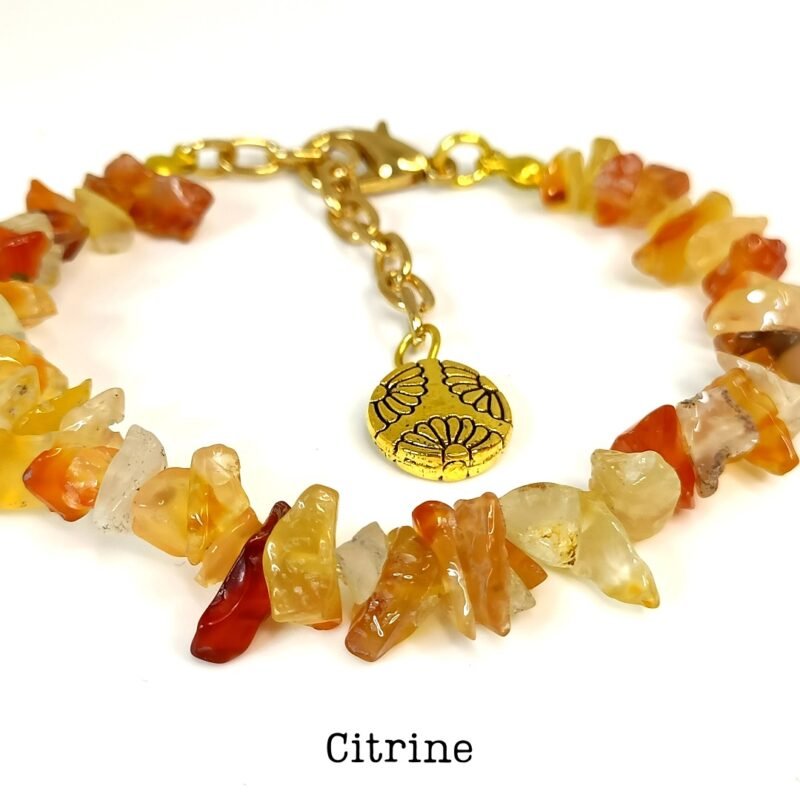
When it comes to cleaning citrine stones, a gentle approach is recommended. Utilize mild soap mixed with lukewarm water to create a solution. Soak the stone briefly and then use a soft cloth or a brush with fine bristles to remove any grime. Rinse thoroughly under clean water and gently dry it with a soft, lint-free cloth. Avoid harsh chemicals or ultrasonic cleaners, as these can damage the stone’s surface.
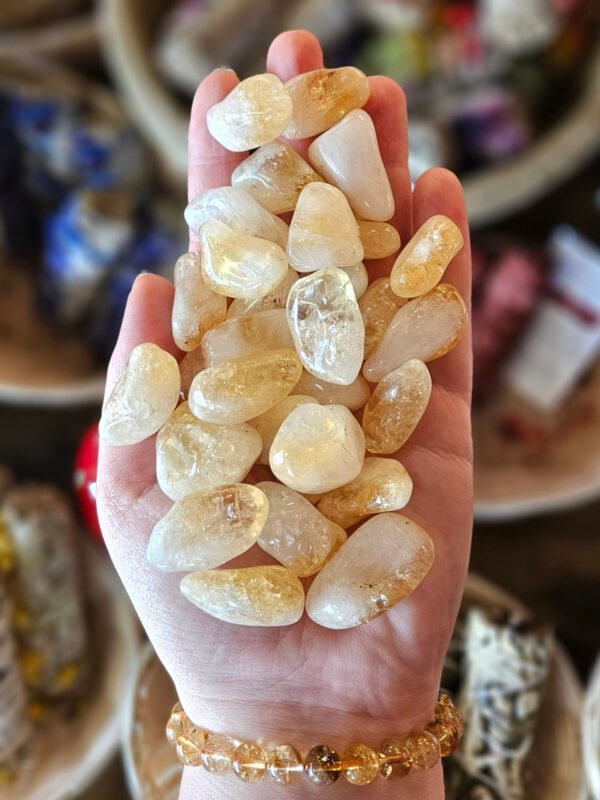
Storing your citrine rock securely is also a vital aspect of its care. It is advisable to store the stone separately from other jewelry pieces to prevent scratches. Consider using a jewelry box lined with fabric or a dedicated jewelry pouch. If using citrine in décor, keep it away from direct sunlight for prolonged periods.
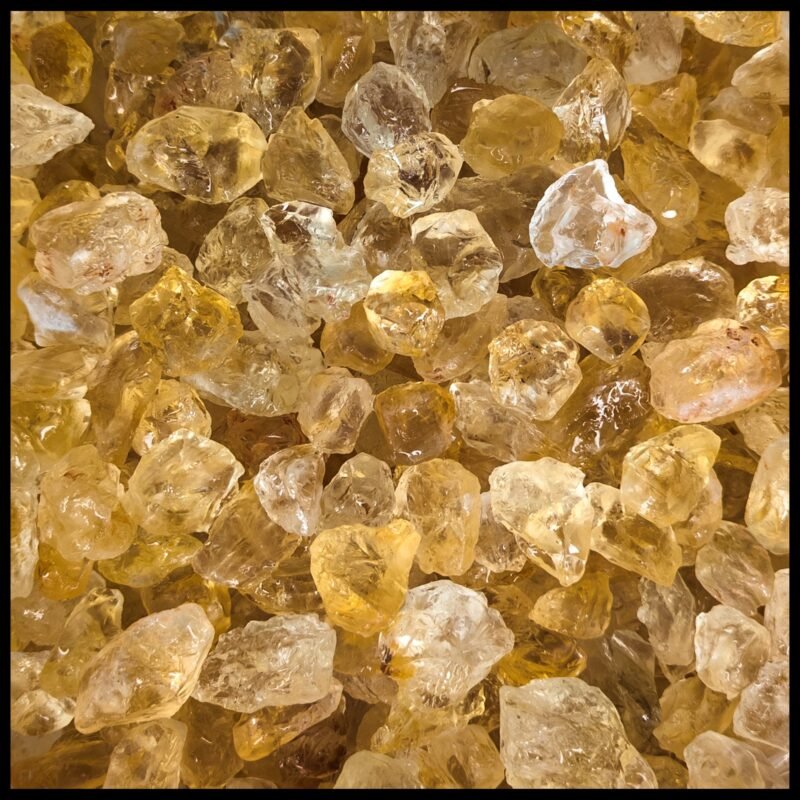
Recharging the energy of your citrine stone can be accomplished by placing it under moonlight or sunlight for a few hours. This process helps to revitalize its natural properties, enhancing its ability to manifest abundance and positivity. Always ensure the stone is clean before recharging to allow for better energy absorption.