

What is Moonstone? An Overview of the Gemstone
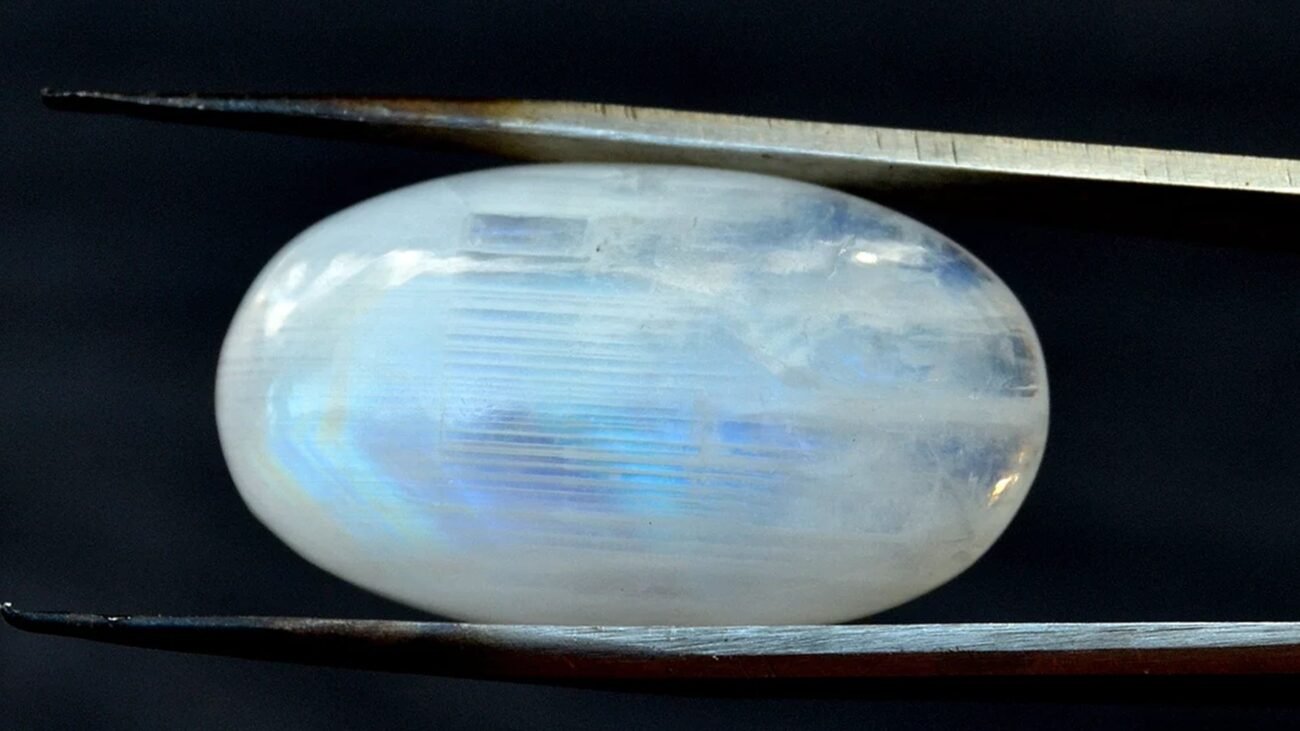
Moonstone is a fascinating gemstone belonging to the feldspar mineral group, exhibiting a unique blend of beauty and optical phenomena. This enchanting stone is primarily composed of two feldspar minerals, orthoclase and albite, which create its distinctive appearance. The interplay of light within the moonstone leads to a captivating optical effect known as adularescence, where a soft glow or sheen appears to float just beneath the surface. This characteristic is one of the key defining traits that sets this apart from other gemstones.
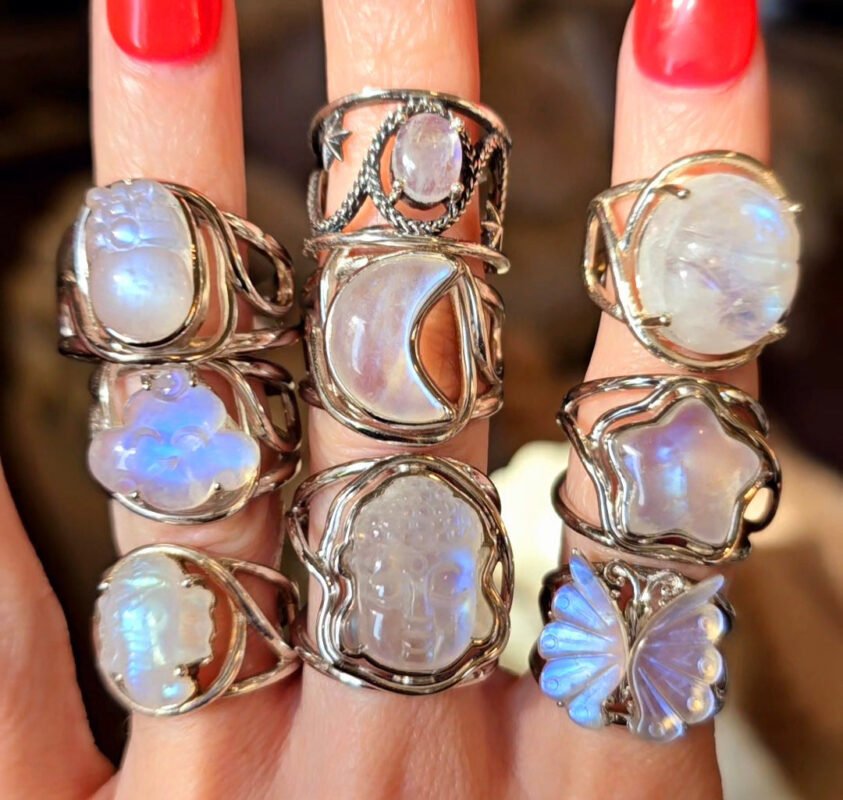
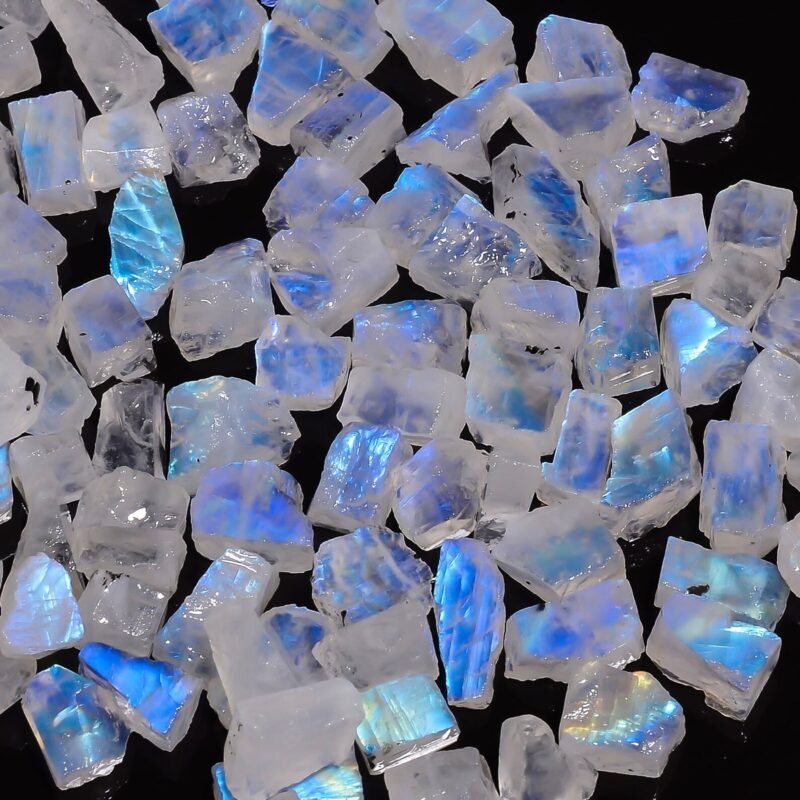
Moonstone occurs in a variety of colors, ranging from colorless to shades of gray, blue, yellow, and even peach. The most sought-after varieties showcase a blue adularescent sheen that resembles the moonlight, giving rise to the name “moonstone.” Other types include the rainbow, which features a kaleidoscope of colors, and the brown or green varieties that can display a more muted appearance.
The geological processes involved in the formation of moonstone stone are equally intriguing. Formed through the slow cooling of magma, moonstone is typically found in igneous rocks, such as granite, and can also be located in metamorphic rocks. The ethereal quality of this gemstone is a result of the unique arrangement of its mineral components, leading to the characteristic light scattering. Notable deposits can be found across various regions worldwide, including Sri Lanka, India, Madagascar, and the United States, each contributing unique colorations and patterns to the gemstones sourced from their respective locations.
Understanding the defining characteristics and formation of this gemstone provides essential insight into its allure and value within the realm of gemstones. This captivating stone not only possesses a rich history, but it also serves as a testament to the natural beauty and complexity found within the Earth’s geology.
Historical Significance: The Journey of Moonstone Through Time
Moonstone has a rich and captivating history that spans across civilizations and centuries. This enchanting gemstone, with its ethereal glow and shimmering play of light, has been revered by many cultures throughout history. In ancient Rome, it was associated with the lunar deity and believed to possess mystical properties. The Romans viewed it as a source of inspiration and often incorporated it into their jewelry, believing it to enhance their connection to the divine.
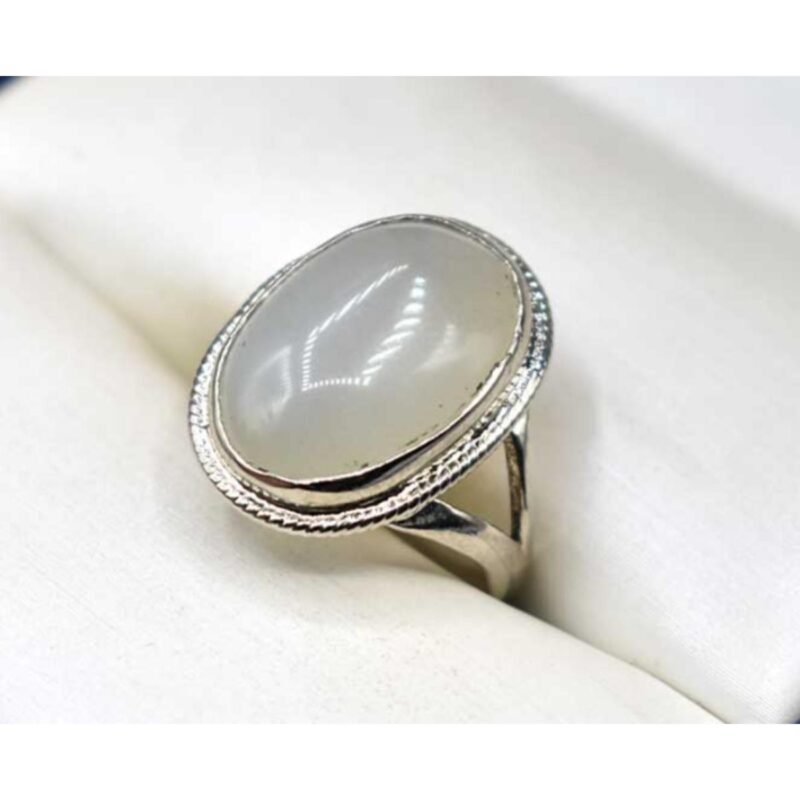
In India, moonstone holds an even more significant place within cultural practices. It has been regarded as sacred and is often used in various rituals and as a talisman believed to bring good fortune. The ancient Indians also believed that the this stone possessed the ability to balance emotions and bring tranquility. Its importance in Indian culture is further exemplified by its frequent use in traditional jewelry, where exquisite moon stone rings have been crafted for centuries.
The fascination with moonstone continued to evolve throughout the ages. During the Art Nouveau movement in the late 19th and early 20th centuries, artists like René Lalique showcased the enchanting beauty of the moonstone in innovative ways, further elevating its status as a favored gemstone. As society progressed, the popularity of moonstone surged, and it found its way into more modern jewelry designs, appealing to contemporary tastes while retaining its timeless allure.
Today, moonstone remains a sought-after gemstone in the jewelry market, prized for its unique qualities and beauty. Its enduring appeal is a testament to its rich historical significance and the enduring myths that surround this captivating crystal. As we continue to explore the mystique of moonstone, it becomes clear that its journey through time is not just a reflection of its beauty, but also an embodiment of the cultural values and beliefs that have celebrated it for millennia.
Evaluating Moonstone: Understanding Its Price and Market Trends
Understanding the pricing of moonstone is essential for both collectors and casual buyers. Several factors contribute to the overall value of this stone, including its quality, color, clarity, cut, and carat weight. Each of these aspects plays a significant role in determining how much a moonstone will cost in the market.
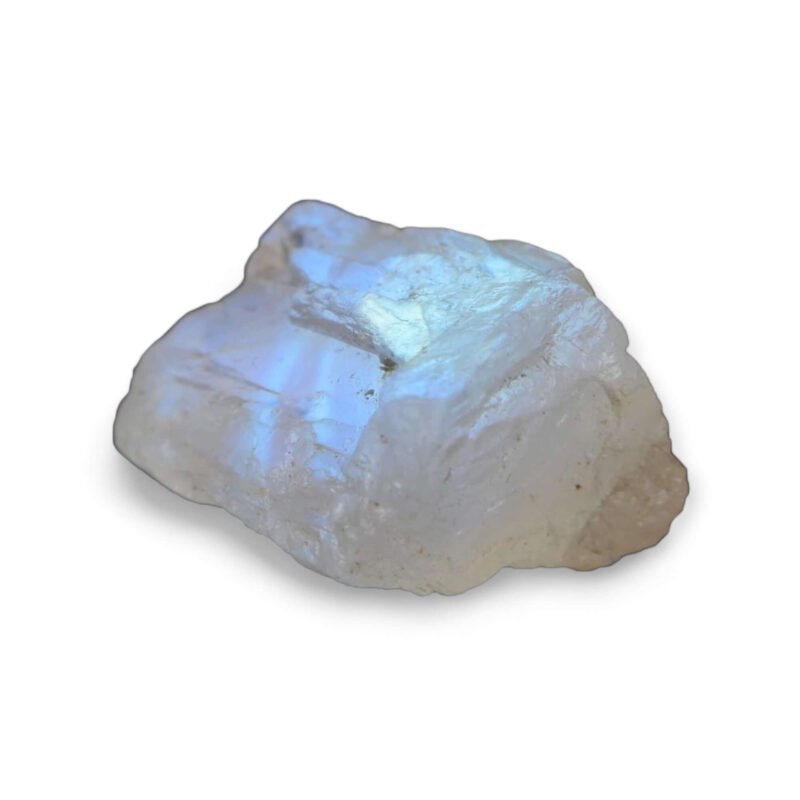
Quality grading is crucial when assessing a moonstone’s worth. The color of a moonstone can range from colorless to a spectrum of shades, most notably blue and gray. The most valuable moonstones exhibit a strong adularescence, a phenomenon that creates a soft, billowy light effect within the stone, enhancing its appeal. Typically, blue moonstones are more sought after due to their vivid color and rarity. Clarity is another key criterion; stones with fewer inclusions or blemishes command higher prices.
Furthermore, the cut of a moonstone significantly influences its visual properties and, consequently, its value. Well-cut stones that maximize the display of adularescence tend to be more desirable. Lastly, carat weight also impacts pricing since larger moonstones are rarer than their smaller counterparts, thus often fetching a higher price in the market.
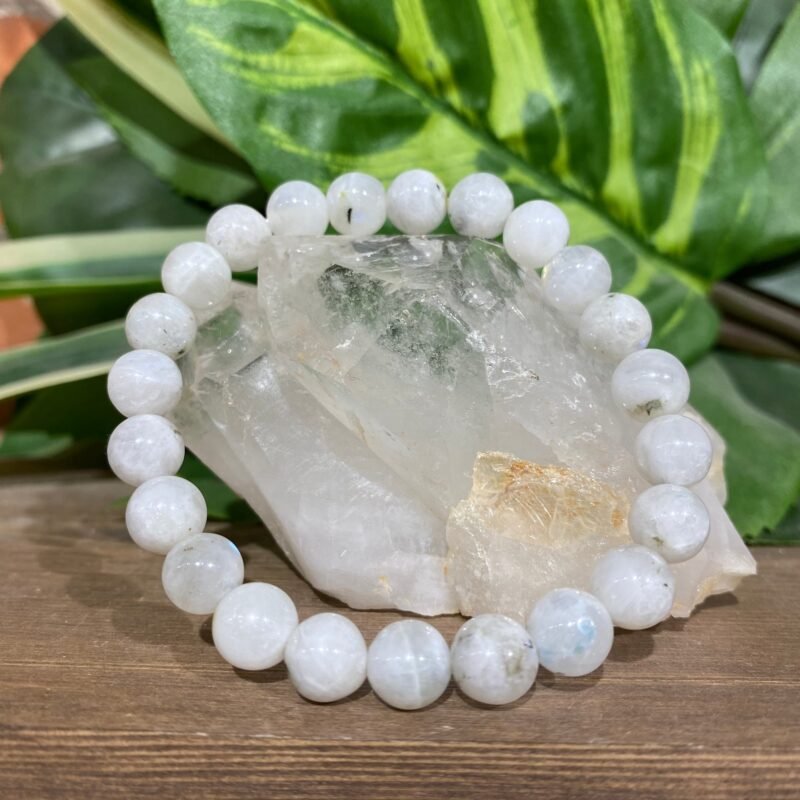
Market trends provide additional context for the valuation of moonstone gemstones. Currently, there is a growing interest in ethically sourced and natural gemstones, including moonstone. This trend has led to increased demand, making certain stones attractively priced. Keeping abreast of sales data and auction results can assist buyers in making informed decisions regarding their purchases.
Ultimately, evaluating moonstone involves a collage of attributes, economic conditions, and market desires. This understanding can aid individuals in determining the value of a stone and ensure a fair investment in this beautiful gem.
Caring for Moonstone: Maintenance and Jewelry Considerations
Moonstone, with its enchanting play of light and vivid pearly sheen, requires specific care to maintain its beauty. To preserve the quality of moonstone jewelry, especially moonstone rings, regular cleaning is essential. The recommended method involves gently wiping the stone with a soft, damp cloth. Avoid using harsh chemicals or ultrasonic cleaners, as they can damage the delicate surface of the moonstone stone. Instead, if deeper cleaning is necessary, utilize a mixture of mild soap and water, followed by thorough rinsing to ensure no residue remains.
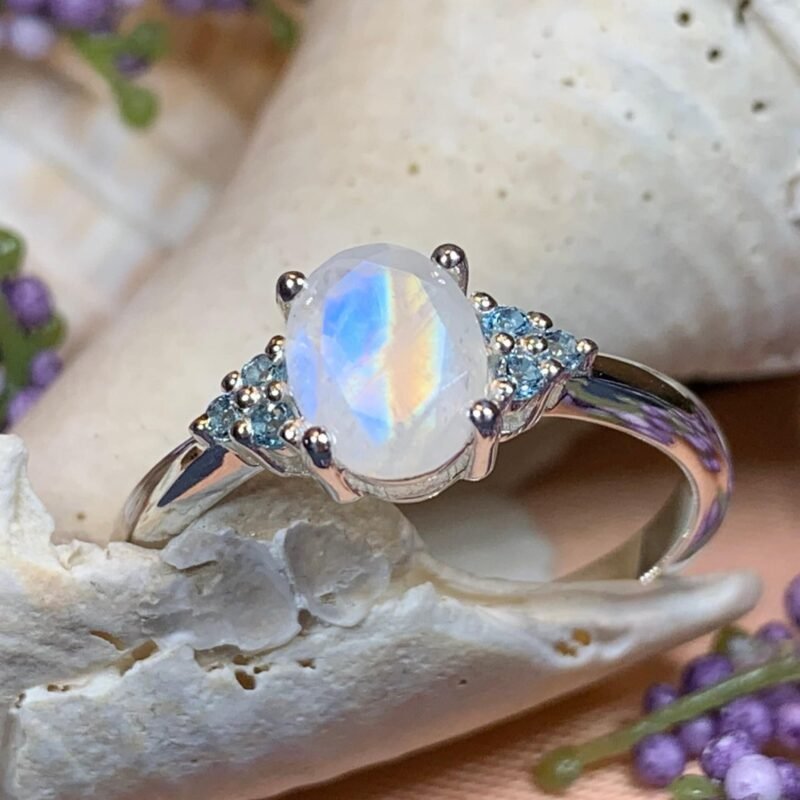
Storage is another vital consideration for moonstone care. It is advisable to store jewelry separately in a soft pouch or lined jewelry box. This practice prevents scratches that can arise from contact with other gems or harder materials. Since moonstone is relatively softer than many other gemstones, being cautious during storage will help maintain its luster and clarity. Additionally, when traveling, consider wrapping moonstone pieces securely in a soft cloth to avoid any potential impact or abrasion.
Regarding damage prevention, it is crucial to remove moonstone jewelry during activities that may expose it to excessive force or chemicals, including sports, cleaning, or swimming. Additionally, be mindful of environments with extreme temperatures, as drastic changes can stress the stone and lead to cracks over time.
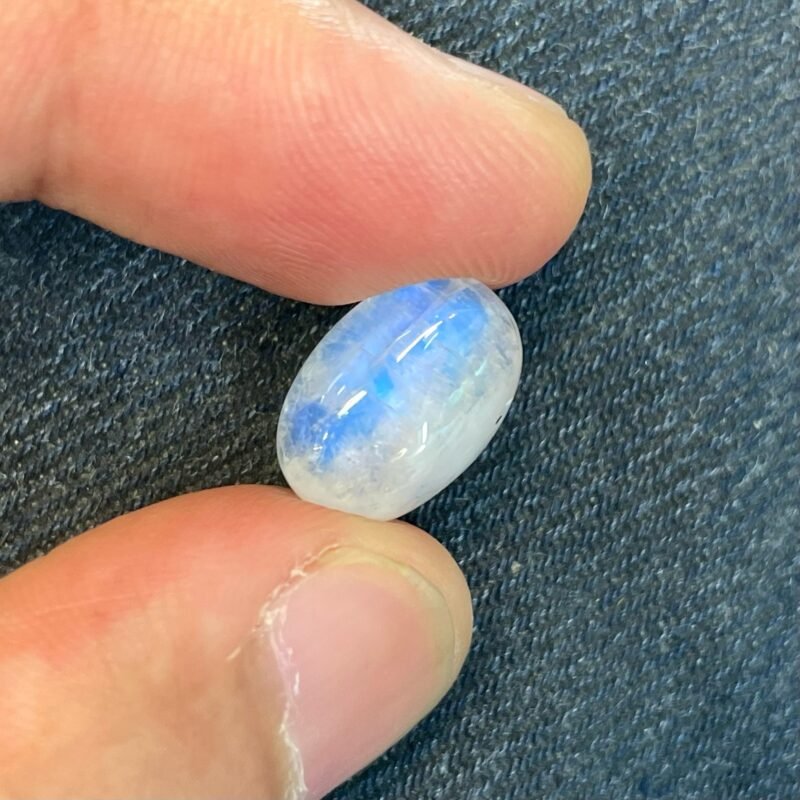
When it comes to settings, moonstone is best suited to protective designs that secure the stone while allowing light to enhance its beauty. Consider settings that are less prone to snagging, such as bezel or halo styles, which can both protect the stone and create stunning visual effects. Pairing moonstone with complementary gems, such as white topaz or silver, can create an elegant look while maintaining harmony within your jewelry collection. Understanding these care and styling considerations will help ensure that your moonstone pieces remain cherished for years to come.